Guest article
10 Cold Room Maintenance Tips for Restaurants and Hotels in the UAE
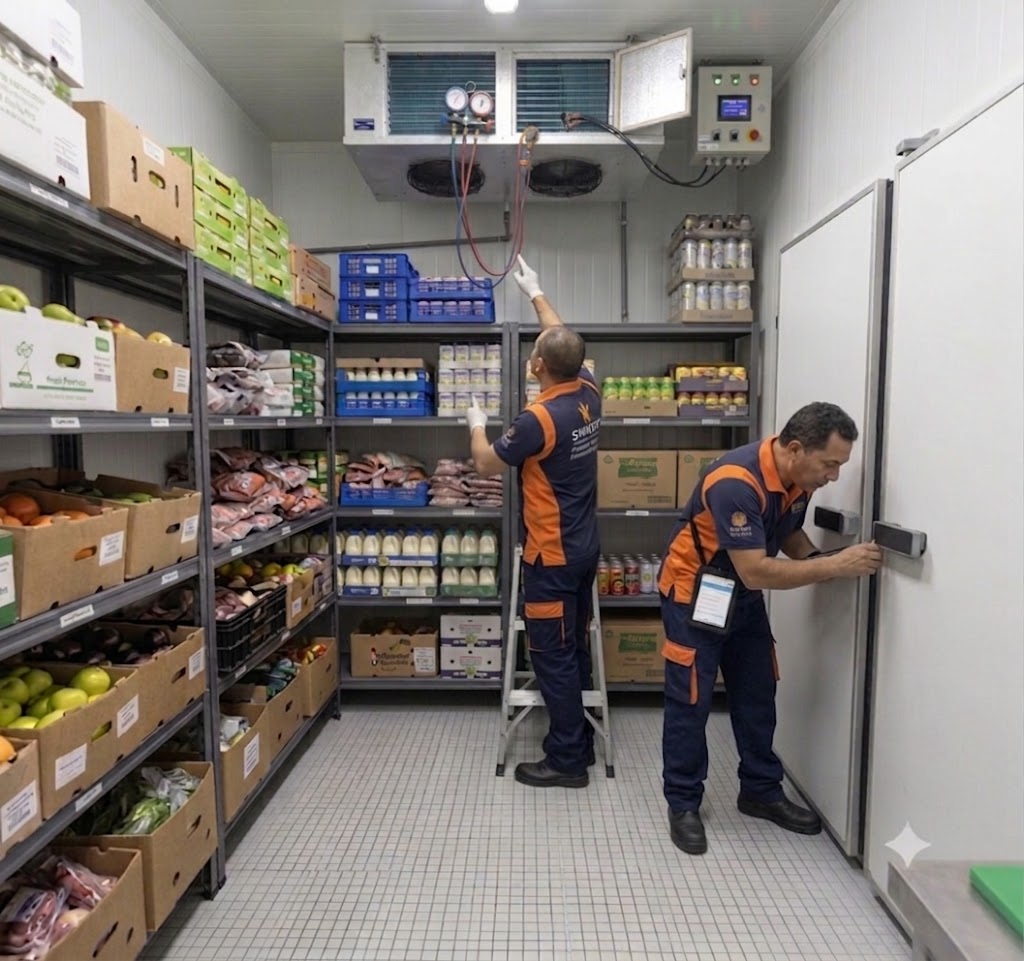
10 Cold Room Maintenance Tips for Restaurants and Hotels in the UAE
Cold rooms and walk-in freezers are essential parts of restaurant and hotel operations. They provide the controlled temperatures needed to store meat, seafood, dairy products, vegetables, prepared foods, and other perishable ingredients safely.
In busy kitchens across the UAE, refrigeration systems may operate continuously for long periods. Without proper maintenance, small problems such as damaged door seals, blocked condenser coils, or poor airflow can gradually reduce cooling efficiency and eventually lead to expensive equipment failures.
Regular preventive maintenance can help restaurant and hotel operators protect stored food, reduce unnecessary energy consumption, and extend the working life of their refrigeration equipment.
Here are 10 practical cold room maintenance tips that restaurant and hotel operators should follow.
1. Inspect the Door Gaskets Regularly
The rubber gasket around a cold room door creates an important seal between the refrigerated interior and the warmer environment outside.
Inspect the gasket regularly for cracks, tears, gaps, or signs of hardening. A damaged seal allows warm air to enter the cold room, forcing the refrigeration system to work harder to maintain the required temperature.
Clean the gasket with a suitable mild cleaning solution and replace it when it no longer provides a proper seal.
2. Keep Condenser and Evaporator Coils Clean
Condenser and evaporator coils play an important role in transferring heat and maintaining the refrigeration cycle.
Dust, grease, and other debris can accumulate on the coils over time, particularly in busy commercial kitchens. Dirty coils restrict heat transfer and can cause the refrigeration system to operate for longer periods.
Include coil inspection and cleaning in a regular commercial kitchen equipment maintenance schedule to help keep refrigeration equipment operating efficiently.
3. Check Cold Room Temperatures Frequently
Temperature monitoring should be part of the daily routine in every commercial kitchen that relies on refrigerated storage.
Check temperatures regularly using a calibrated thermometer rather than relying entirely on the refrigeration unit's built-in display. Recording readings can also help staff identify gradual changes before they become serious problems.
Unexpected temperature fluctuations may indicate issues with the thermostat, door seal, evaporator, condenser, fan, or refrigeration system.
4. Maintain Proper Air Circulation
Cold air needs sufficient space to circulate throughout a walk-in refrigerator or freezer.
Avoid placing boxes, food containers, or shelving directly against evaporator fans or blocking air outlets. Overstocking can create uneven temperatures, leaving some areas warmer than others.
Arrange products so that refrigerated air can move freely around stored items. Good organization also makes it easier for staff to inspect products and clean the storage area.
5. Avoid Leaving Cold Room Doors Open
Every time a cold room door remains open, warm and humid air enters the refrigerated space.
Frequent or prolonged door openings can increase the workload on compressors and contribute to frost formation. Staff should be trained to open the door only when necessary and close it immediately after removing or storing products.
Where appropriate, strip curtains or similar solutions can also help reduce air exchange around frequently used entrances.
6. Inspect Drain Lines and Drain Trays
Condensation produced during the refrigeration process needs to drain away properly.
Blocked drain lines can cause water to accumulate inside or around the cold room. In freezing environments, drainage problems can also contribute to ice formation.
Inspect drain trays and lines regularly and remove dirt, food particles, slime, or other debris before blockages develop.
Any persistent drainage problem should be investigated by a qualified refrigeration technician rather than repeatedly treated as a cleaning issue.
7. Remove Frost Safely
Excessive frost can reduce the efficiency of a cold room and interfere with airflow around the evaporator.
Never use sharp tools such as knives or metal objects to remove built-up ice. Doing so can damage evaporator components or refrigeration lines and potentially turn a minor maintenance issue into a major repair.
Use the equipment's recommended defrost procedure and arrange professional inspection when frost repeatedly returns or becomes excessive.
8. Listen for Unusual Fan and Motor Noises
Fans and motors can operate for extended periods in commercial refrigeration systems. Changes in their normal sound can provide an early warning of mechanical problems.
Pay attention to unusual squealing, rattling, grinding, or excessive vibration. These symptoms may indicate worn bearings, loose components, damaged fan blades, or motor problems.
Addressing these warning signs early can help prevent unexpected equipment downtime.
9. Check the Condition of Stored Products
Cold room maintenance is not only about mechanical components. Staff should also regularly inspect the condition and arrangement of stored food.
Check for damaged packaging, expired products, spills, and signs that food has been exposed to inappropriate temperatures. Keeping storage areas clean and organized makes it easier to identify problems quickly.
A first-in, first-out stock rotation system can also help reduce unnecessary food waste and ensure older products are used before newer deliveries.
10. Schedule Professional Preventive Maintenance
Daily cleaning and basic inspections can be handled by trained kitchen staff, but refrigeration systems also require professional technical attention.
A qualified technician can inspect components such as compressors, refrigerant systems, electrical connections, thermostats, evaporator and condenser fans, defrost systems, and other critical components.
A scheduled maintenance program makes it easier to identify developing problems before they result in emergency repairs, food spoilage, or extended operational downtime.
Businesses that operate multiple refrigeration units can benefit from keeping a written maintenance schedule that records inspections, repairs, temperature checks, and service dates.
Why Preventive Cold Room Maintenance Matters
A cold room is more than a storage area. It is an important part of a restaurant or hotel's food safety and daily operating system.
Regular maintenance can help businesses:
Reduce the risk of unexpected refrigeration failures
Protect valuable food inventory
Maintain more consistent storage temperatures
Improve equipment efficiency
Reduce unnecessary repair costs
Extend the useful life of refrigeration equipment
Support safer and more organized kitchen operations
The best maintenance strategy combines daily attention from trained staff with scheduled inspections by qualified technicians.
Final Thoughts
Restaurants and hotels depend heavily on reliable refrigeration to keep ingredients fresh and operations running smoothly. Small maintenance tasks, when performed consistently, can prevent many of the problems that lead to costly breakdowns.
From checking door seals and cleaning coils to monitoring temperatures and scheduling professional inspections, a structured preventive approach can make cold room management much more reliable.
For businesses operating commercial kitchens in the UAE, working with an experienced commercial kitchen equipment and maintenance provider can provide additional support for refrigeration systems and other essential kitchen equipment.