Guest article
7 Signs Your Dubai Home Needs Repainting — and What to Check First
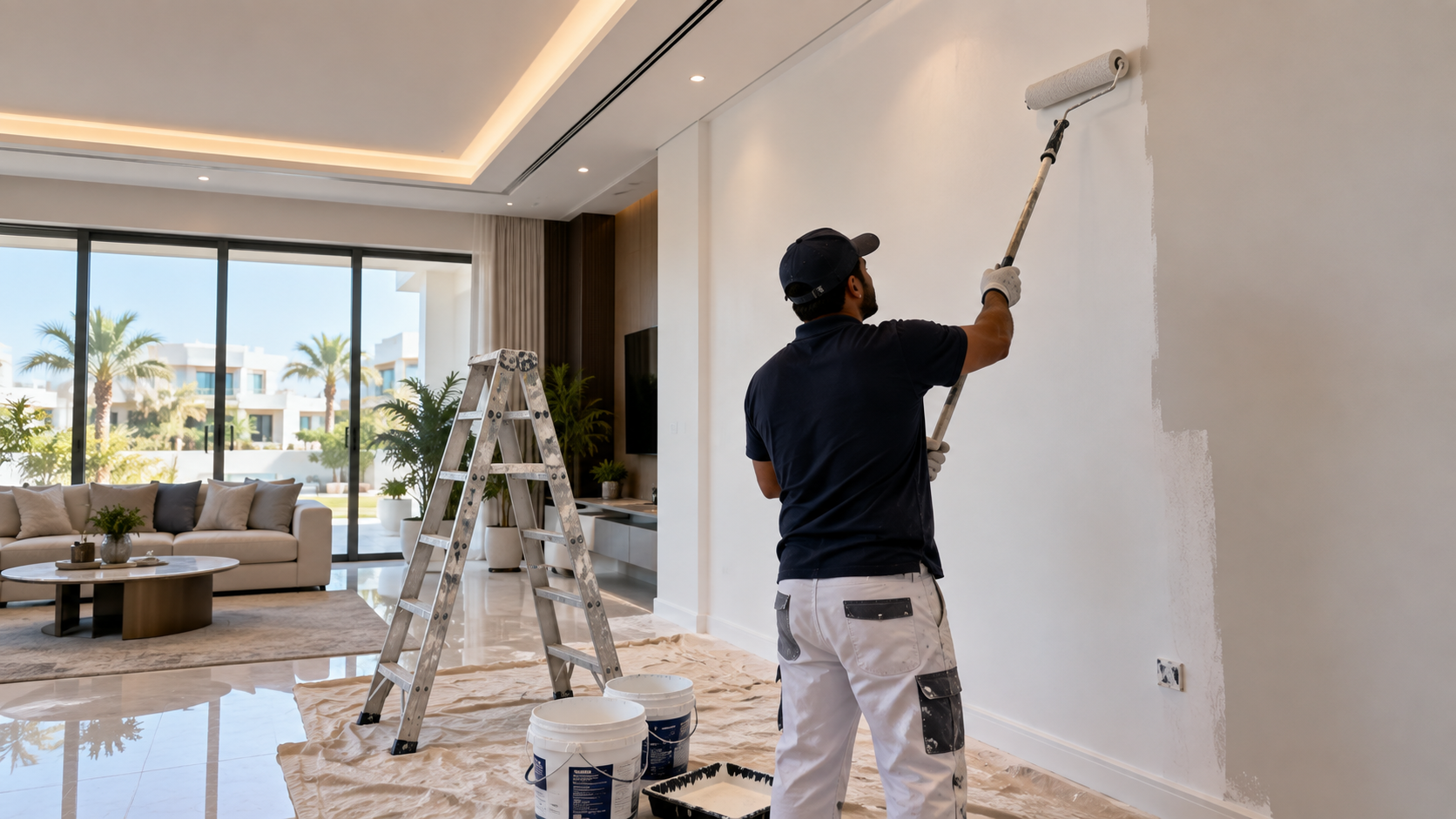
Paint does more than change the colour of a room. It helps protect walls and ceilings while also having a major effect on how clean, bright and well-maintained a home feels.
Over time, however, even good-quality paint begins to show signs of wear.
Dubai homes also deal with strong sunlight, heat, humidity, air conditioning and everyday use. Exterior walls face particularly demanding conditions, while interior areas can develop marks, cracks or moisture-related problems.
Sometimes repainting is all that is needed. Other times, damaged paint is actually showing you that something underneath needs attention first.
Here are seven signs worth checking before you simply apply another coat.
1. The Colour Has Started to Fade
Paint doesn't always deteriorate dramatically.
Sometimes it simply becomes dull.
This is particularly noticeable on exterior walls and areas that receive a lot of direct sunlight. A colour that once looked rich can gradually become lighter or uneven.
Interior paint can fade too, especially in rooms with large windows and plenty of natural light.
If one wall receives much more sunlight than the others, the difference may become noticeable over time.
Repainting can restore the appearance, but choosing a suitable paint for the location is equally important if you want the new finish to last.
2. You Can See Small Cracks
Small cracks are fairly common in finished walls.
That doesn't mean every crack indicates a serious structural problem, but simply painting directly over one isn't always the best solution.
The crack should first be inspected and prepared properly.
Depending on its condition, this may involve opening the crack slightly, filling it, smoothing the surface and applying the appropriate primer before repainting.
If cracks repeatedly return in the same place, it may be worth investigating why rather than continuing to cover them.
Good painting work starts with surface preparation.
3. Paint Is Peeling or Flaking
Peeling paint is difficult to hide.
You might notice small flakes at first, followed by larger areas beginning to separate from the wall or ceiling.
There can be several possible causes.
The original surface may not have been prepared properly. Moisture could also be affecting the area, or the existing paint may simply have deteriorated.
Applying fresh paint directly over loose material usually produces a poor result.
The damaged paint should be removed and the surface underneath checked before a new finish is applied.
4. There Are Damp or Discoloured Areas
A dark patch on a wall or ceiling isn't automatically a painting problem.
This is one of the most important things to understand before repainting.
If the area feels damp, continues growing or returns after being painted, there may be moisture coming from somewhere else.
Possible sources can include plumbing leaks, AC drainage issues or waterproofing problems.
Painting over the stain might make it disappear temporarily, but it won't stop the moisture.
Find and repair the source first. Once the area is dry and properly prepared, the finish can then be restored.
5. The Walls Are Covered in Marks and Repairs
Homes are used every day.
Furniture touches walls. Children leave marks. Pictures are moved. Shelves are removed. Small holes are filled and sections are touched up.
Eventually, individual repairs can become more noticeable than the original damage.
You might have several slightly different shades of the same colour across one wall because the paint has aged between touch-ups.
At that point, repainting the complete wall or room can produce a much cleaner result.
Homeowners looking for professional painting services in Dubai can work with 3Sixty Renovations for interior and exterior painting, surface preparation and related finishing work.
The preparation stage is particularly important when the existing walls have cracks, previous repairs or damaged finishes.
6. Your Gypsum Ceiling Needs Repair
Walls aren't the only painted surfaces in a home.
Gypsum ceilings can also develop visible cracks, damaged joints, stains or openings left behind after electrical, AC or lighting work.
If you're already repainting a room, it can make sense to repair these areas at the same time.
For example, changing the lighting layout may leave old openings that need to be properly closed and finished.
Simply filling the visible hole without matching the surrounding gypsum and paint can leave an obvious patch.
Repairing, smoothing and repainting the complete affected area usually creates a cleaner finish.
7. The Colour No Longer Works With the Interior
Sometimes there is nothing technically wrong with the existing paint.
It simply doesn't suit the home anymore.
Changing flooring, furniture, cabinetry or lighting can make an old wall colour feel completely different.
A dark colour that once worked with traditional furniture might make a newly renovated room feel unnecessarily heavy.
On the other hand, using the same bright white everywhere isn't always the answer either.
Warm whites, soft neutrals and carefully chosen accent colours can help different materials in the room work together.
Test samples on the actual wall before making a final decision. Paint can look very different under natural daylight and artificial lighting.
Preparation Matters More Than Most People Think
Painting looks simple because the final step is visible.
But much of the work that determines the quality of the result happens before the final coat.
Walls may need cleaning, filling, sanding and priming. Loose existing paint should be removed, and cracks or damaged sections need proper preparation.
Doors, flooring, furniture, switches and other finished surfaces should also be protected before work begins.
Skipping preparation might make the job faster initially, but imperfections can remain visible through the new paint.
Think About Paint During a Renovation
If your home is undergoing a larger renovation, painting should usually happen at the appropriate stage of the overall project.
Electrical changes, gypsum work, carpentry and other activities can damage freshly painted surfaces if they're completed afterwards.
For example, there is little benefit in perfectly painting a wall if new electrical points still need to be cut into it.
Coordinate the order of work so that the final painting is actually one of the final finishing stages.
This reduces unnecessary touch-ups and helps produce cleaner results.
Don't Just Cover the Problem
Fresh paint can transform a room surprisingly quickly.
But before repainting, look closely at what the existing surface is telling you.
Fading and everyday marks may simply mean it is time for a refresh. Peeling paint, recurring cracks and damp patches deserve more attention.
Fixing the underlying issue and preparing the surface properly will usually produce a much better result than repeatedly covering the problem with another coat of paint.
When the preparation is done correctly, repainting can make an older home feel cleaner, brighter and considerably more finished without changing the entire interior.