Guest article
7 Things to Consider Before Ordering Custom Carpentry in Dub
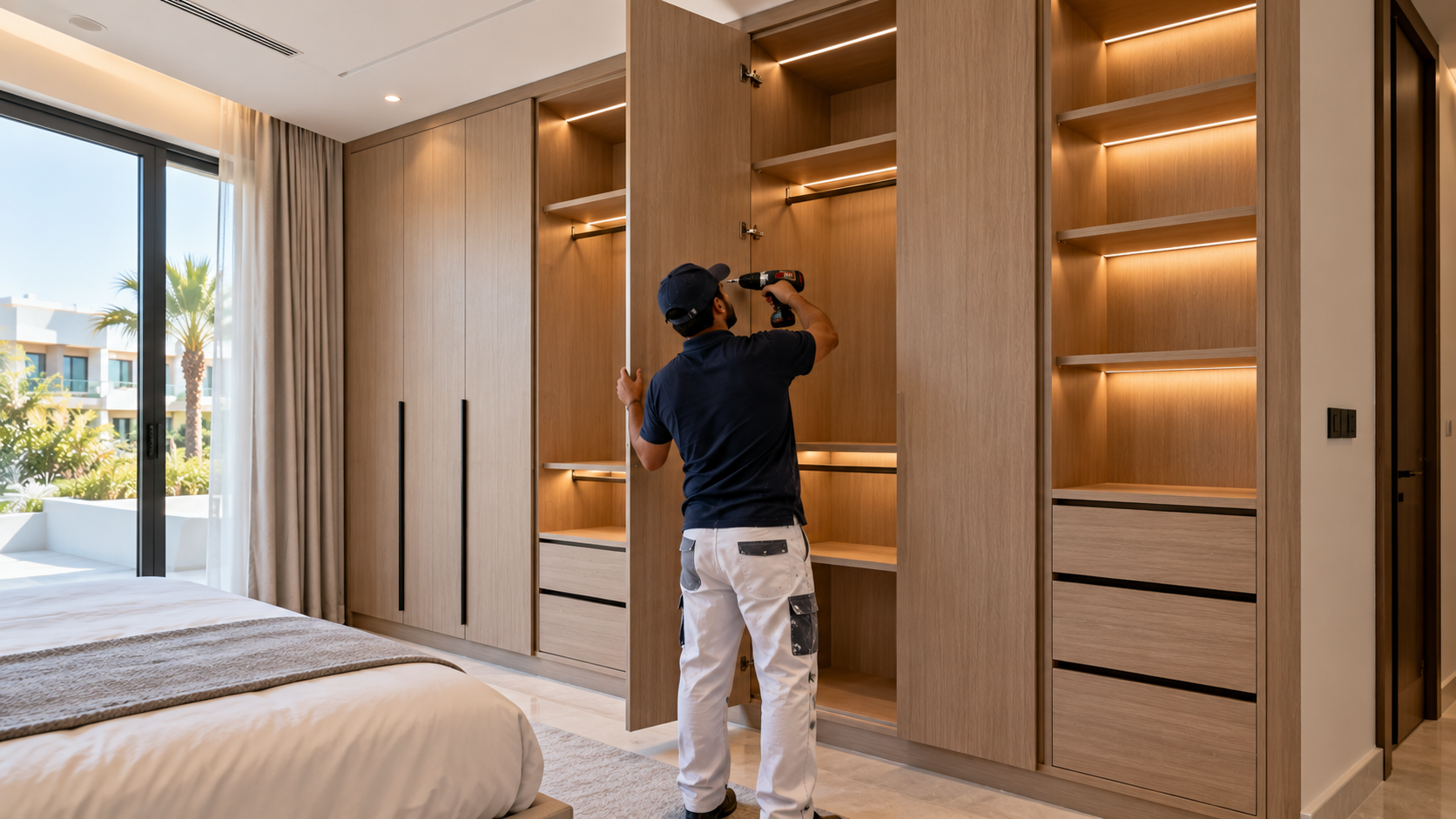
Custom carpentry can make a huge difference to the way a home or office looks and functions. Instead of trying to fit ready-made furniture into an awkward space, carpentry can be designed around the exact dimensions and requirements of the property.
In Dubai, custom woodwork is commonly used for wardrobes, kitchen cabinets, media walls, shelving, doors, office furniture, vanity units and storage solutions.
But good carpentry isn't only about choosing an attractive colour or wood finish. Measurements, materials, hardware and everyday usability all matter.
Before ordering custom carpentry, here are seven things worth considering.
1. Decide What You Actually Need
Start with function before appearance.
If you're ordering a wardrobe, think about what you need to store. Someone with mostly hanging clothes will need a different internal layout from someone who needs more drawers and shelving.
The same applies to a media wall.
Do you only need space for a television, or do you also need concealed storage, shelves, electrical points and space for entertainment equipment?
Custom carpentry gives you the opportunity to design around your needs, so take advantage of it.
2. Accurate Measurements Are Essential
A difference of only a few millimetres can matter when something is being manufactured specifically for a particular space.
Walls aren't always perfectly straight. Floors and ceilings can also have slight variations, especially in existing properties.
That is why site measurements are important before manufacturing begins.
For built-in wardrobes, cabinets and shelving, the carpenter should understand the actual dimensions of the finished space rather than relying only on rough measurements.
Accurate measurements also help avoid unwanted gaps and alignment problems during installation.
3. Choose Materials Based on Where They'll Be Used
Not every material is suitable for every application.
A decorative shelf in a living room has very different requirements from cabinetry installed in a kitchen or bathroom.
Areas exposed to moisture, heat or frequent cleaning require appropriate materials and finishes.
You should also consider how heavily the item will be used.
A wardrobe door opened several times every day needs durable hinges and hardware. Kitchen cabinets need surfaces that are practical to clean. Office furniture may need to withstand heavier daily use.
Don't choose materials based only on how they look in a sample.
4. Think About the Internal Design
People naturally focus on the outside of custom furniture because that's the part everyone sees.
But the inside can be just as important.
A wardrobe can look beautiful while being frustrating to use if the internal layout wasn't properly planned.
Consider drawers, shelves, hanging heights and dedicated storage areas before manufacturing begins.
Kitchen cabinetry can benefit from deep drawers, pull-out storage and organised spaces for frequently used items.
The goal should be to make the available space genuinely useful rather than simply filling it with cabinets.
5. Pay Attention to Hinges, Runners and Hardware
Hardware may seem like a small detail, but it has a major effect on how carpentry feels in everyday use.
Drawer runners should operate smoothly. Hinges should keep doors properly aligned, and handles should be comfortable to use.
Soft-close systems can also improve the everyday experience of wardrobes, kitchens and other cabinetry.
This is particularly important for furniture that will be opened and closed many times each day.
Homeowners and businesses looking for professional carpentry services in Dubai can work with Zeenat Al Sahraa for custom manufacturing, installation, repair and maintenance of different carpentry requirements.
The details behind the finished surface are often what determine how well the carpentry performs over time.
6. Plan Electrical Requirements Before Manufacturing
Modern carpentry often needs to work around electrical equipment.
A media wall might require sockets behind the television, cable routes and space for entertainment equipment.
A dressing table may need nearby power points. Kitchen cabinetry needs to account for appliances, while office furniture may require power and data connections.
These requirements should be identified before manufacturing begins.
Cutting holes or modifying completed carpentry later can make the finished result look less clean.
Coordination between the carpenter and electrician can prevent many of these problems.
7. Think About Maintenance and Repairs
Custom carpentry should still be practical several years after installation.
Ask yourself how easily surfaces can be cleaned and whether frequently used components can be repaired or replaced if necessary.
Cabinet hinges, handles and drawer mechanisms experience normal wear over time.
A design that allows these components to be adjusted or replaced can be much easier to maintain.
The same applies to doors and other wooden elements. Minor alignment or hardware issues are usually much easier to deal with when they are addressed early.
Custom Carpentry Can Make Better Use of Difficult Spaces
One of the biggest advantages of custom work is its ability to use spaces that standard furniture cannot.
An empty recess can become shelving. A full wall can become a fitted wardrobe. Space underneath a staircase can potentially become storage.
In offices, custom desks, cabinets and partitions can be designed around the available floor plan.
This is particularly useful in rooms where every metre of space matters.
Instead of purchasing furniture first and trying to make it fit, the furniture is designed around the room.
Make Sure the Design Fits the Property
Carpentry shouldn't look disconnected from the rest of the interior.
Consider the flooring, wall colours, doors and other finishes already present in the property.
You don't necessarily need every wooden element to have exactly the same colour, but the materials should work well together.
For modern interiors, simple lines and cleaner finishes may work better. Other properties may suit warmer wood tones and more traditional detailing.
Samples can be useful because colours and textures often look different in person than they do on a phone or computer screen.
Good Carpentry Starts Before Manufacturing
The quality of custom carpentry isn't determined only in the workshop.
Many of the most important decisions happen before anything is manufactured.
Take accurate measurements, decide how the finished item will actually be used and choose suitable materials and hardware.
Also think about electrical requirements, internal storage and future maintenance.
When these details are planned properly, custom carpentry can do much more than improve the appearance of a room. It can make the space easier to use, provide better storage and create something designed specifically for the property rather than something that simply happens to fit inside it.