Guest article
Choosing the Right Early Learning Environment for Your Child in Dubai Marina
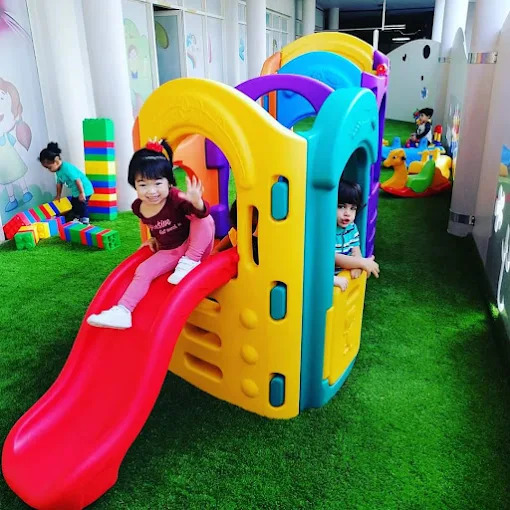
Choosing an early learning centre is an important decision for every parent, especially when several options are available nearby. A quality nursery Dubai Marina should provide more than childcare; it should create a safe, stimulating and welcoming environment where children can develop confidence, curiosity and independence.
Why Early Learning Matters
The first few years of childhood provide an important foundation for future learning. During this period, children develop communication skills, emotional awareness, motor coordination and social behaviours through everyday experiences.
A well-planned early education environment allows children to explore these areas naturally. Instead of relying only on formal instruction, effective programmes combine play, interaction, movement, creativity and guided activities.
Developing Communication Skills
Young children learn language through conversation, storytelling, songs and social interaction. Teachers can encourage children to express their thoughts, describe experiences and listen to others.
Regular communication also helps children become more confident when interacting with adults and other children.
Building Social Confidence
Group activities provide opportunities to practise sharing, cooperation and patience. Children gradually learn how to participate in a group while respecting different personalities and preferences.
These experiences can make the transition into later schooling easier.
What Parents Should Look For
Selecting a childcare centre requires more than comparing locations. Parents should consider the educational approach, staff experience, facilities, routines and overall atmosphere.
A visit can provide useful insight into how teachers interact with children and how the learning environment is organised.
Qualified and Caring Educators
Teachers have a significant influence on a child's early experience. Look for educators who are attentive, patient and responsive.
A strong team should understand that children develop at different rates and may need different forms of encouragement.
Safe and Stimulating Spaces
The physical environment should support exploration while maintaining appropriate safety standards. Classrooms should be organised, clean and suitable for the age group.
Outdoor areas are also valuable because children need opportunities to move, play and develop physical coordination.
The Role of Play in Learning
Play is one of the most effective ways for young children to understand the world around them. Through imaginative games, building activities, sensory exploration and role-play, children can practise important cognitive and social skills.
Learning Through Creativity
Art, music and creative activities encourage children to experiment and express themselves. Painting, drawing, movement and music can support coordination while allowing children to make individual choices.
The goal is not to produce perfect results but to encourage curiosity and participation.
Encouraging Problem-Solving
Simple puzzles, construction activities and practical challenges allow children to develop early reasoning skills. Teachers can guide children with questions rather than immediately providing answers.
This approach encourages children to think independently.
Supporting Emotional Development
Emotional development deserves equal attention alongside academic preparation. Children need to feel secure before they can confidently explore their surroundings.
Teachers can support emotional growth by establishing predictable routines and responding calmly to children's feelings.
Creating Familiar Routines
Consistent routines help young children understand what happens during the day. Regular meal, activity, rest and collection times can provide a sense of stability.
Predictability can be particularly helpful when a child is beginning childcare for the first time.
Helping Parents Stay Involved
Parents and educators work best as a team. Regular communication allows families to understand how their child is progressing and whether additional support may be useful.
Updates about activities, behaviour and interests can also help parents continue learning at home.
Preparing for Future Education
A strong early learning experience does not need to resemble formal school. Instead, it should gradually introduce children to routines, communication, cooperation and independent thinking.
Children who become comfortable asking questions, following simple instructions and interacting with peers may approach their next educational stage with greater confidence.
Final Thought
Finding the right early learning environment involves looking beyond convenience and focusing on the child's overall development. A caring team, secure setting, engaging activities and strong family communication can make the early years both enjoyable and meaningful. Parents comparing options may also consider the educational approach and community offered by a JLT nursery when evaluating suitable early learning choices.