Guest article
Colour Change or Clear Shield? Choosing the Right Film for Your Car
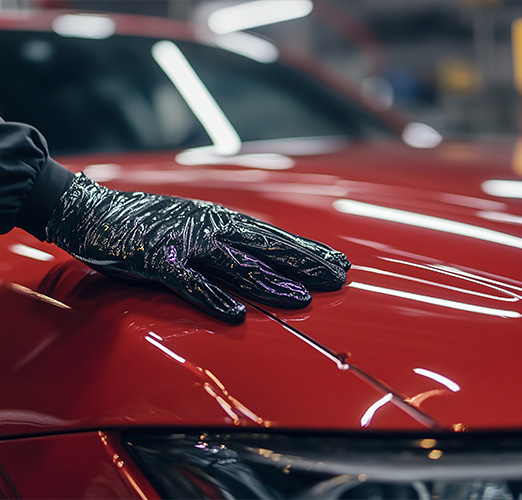
If you have been searching for car wrapping abu dhabi options, you have probably noticed two very different products sitting under the same roof: colour-change vinyl wraps and clear paint protection film. Both are applied by hand, both cover your paintwork, and both are often lumped together as car film paint protection, yet they are built for different jobs. This guide walks you through what each film does, which type of driver tends to get the most from it, and when it makes sense to combine the two.
Two Films, Two Different Jobs
It helps to start with what each product is actually designed to do. Once you understand the purpose behind each film, the decision usually becomes much easier.
What a Colour-Change Wrap Does
A colour-change wrap is a thin, coloured vinyl film that is stretched over the body panels to give the car a new look. You can choose from gloss, satin, matte, metallic and textured finishes, and the change is reversible when the film is removed correctly. Its main purpose is appearance.
A wrap does offer a light barrier against minor scuffs and sun fading. However, it is not designed to absorb stone chips the way a thicker protective film is. Think of it as a styling layer that happens to provide some protection, not the other way round.
What Paint Protection Film Does
Paint protection film, often shortened to PPF, is a clear, thicker urethane film made to take the hits your paint would otherwise suffer. It is designed to resist stone chips, light scratches, bug acids, bird droppings and road grime. Many modern films also have a self-healing top layer that lets fine swirl marks relax away with warmth.
Because it is transparent, PPF keeps your factory colour exactly as it is. Its main purpose is protection, and any change in look is subtle, such as a slightly deeper gloss or an optional matte finish.
Which Driver Are You?
The right choice depends less on the car and more on how you use it. Here are a few common driver profiles in the UAE and the film that usually suits each one best.
The Style-First Owner
If you love your car but feel bored with its colour, a wrap is the natural fit. Perhaps you bought a white car for the heat and now want something bolder, or you want a satin black finish without committing to a permanent respray.
For this owner, the flexibility of a wrap is the real value. You can change the look now and return to the original paint later, which can also help when it is time to sell. Many buyers prefer a factory colour, so being able to peel back to it is useful.
The Highway Commuter
If you drive long distances on the E11, the Abu Dhabi to Al Ain road or other busy highways, your front end takes a beating. Gravel kicked up by trucks, sand carried by wind and debris on the road all chip away at the bonnet, bumper and mirrors.
This driver usually benefits most from clear PPF, at least on the high-impact areas. A front-end package covering the bumper, bonnet, wings and mirrors is a common starting point. The colour stays the same, but the paint underneath stays far better preserved. For this kind of driver, car film paint protection is less about looks and more about limiting long-term damage.
The Long-Term Keeper
Some owners plan to keep a car for many years and want it to look as close to new as possible throughout. For them, full-body PPF is often the most sensible choice. It protects every panel, makes washing easier and helps maintain the paint in a condition that supports resale value later.
The Lease or Short-Term Owner
If your car is leased or you plan to sell it in a year or two, you may want to protect the paint without spending heavily. Partial PPF on the front end is often enough. If you still want a fresh look, a wrap can personalise the car and then come off before you hand it back, as long as you check the terms of your lease agreement first.
Comparing the Practical Factors
Beyond driving style, a few practical factors should shape your decision. These are worth discussing openly with any installer before you commit.
Appearance and Finish
A wrap changes everything visually, while PPF preserves the original look. If you are happy with your colour, there is little reason to cover it. If you are not, PPF alone will not solve that problem.
Level of Protection
PPF is thicker and is engineered specifically to absorb impact. A wrap gives modest protection against light scuffs and fading. For drivers who care mainly about chips and scratches, clear film is the stronger option.
Care and Maintenance
Both films need gentle care. Hand washing with a pH-neutral shampoo is recommended, and high-pressure jets should be kept at a safe distance from film edges. Matte and satin finishes, whether wrap or PPF, need products made for non-gloss surfaces so they do not develop shiny patches.
Removal and Resale
Both films are designed to be removable, but the quality of removal depends on the quality of the original paint and the installation. Ask your installer how they handle removal and whether they use a gentle process. Clean removal is a big part of why these films are popular with owners who think about resale.
When It Makes Sense to Combine Both
You do not always have to choose one. Many owners in the capital combine the two films to get the look they want and the protection they need.
Wrap Over Selected Areas, PPF on the Front
A common approach is to wrap the car in a new colour and then apply clear PPF over the most exposed areas. In some cases the installer applies PPF directly to the paint on the front end, then wraps the rest of the car. In other cases, clear film is applied over the wrap itself. Each method has trade-offs, so let a professional installer explain which works best for your chosen materials.
Coloured PPF as a Middle Ground
Some films now combine colour with the toughness of protective urethane. These coloured or tinted protective films can give you a new look with stronger impact resistance than standard vinyl. Availability and finishes vary, so ask what is currently offered.
Accent Wraps With Clear Protection
Another popular choice is to keep the original colour, protect it with clear film, and add small accent wraps. A gloss black roof, mirror caps or a contrasting bonnet stripe can change the character of the car without a full colour change. This accent approach is one of the more popular requests in car wrapping abu dhabi because it balances personality with practicality.
Questions to Ask Before You Book
Whichever route you take, the installer matters as much as the product. Before booking, it is worth asking a few direct questions:
Which film type and thickness do you recommend for my driving, and why?
How do you prepare the paint before installation, and is paint correction included?
Do you wrap edges or trim the film on the panel, and how do you handle door handles and sensors?
What aftercare do you recommend, and when should I return for an inspection?
What warranty is offered on the film and on the workmanship, and what does it cover?
A reputable studio will answer clearly and will not push you towards the most expensive package if it does not suit your needs. Comparing a few quotes for car wrapping abu dhabi based on these answers, rather than price alone, usually leads to better results.
Final Thoughts
The choice between a colour-change wrap and clear protection comes down to one simple question: do you want to change how your car looks, or keep it looking the way it does now? Style-focused owners lean towards wraps, while commuters and long-term keepers usually get more value from clear film. When you want both, a combined approach can give you a fresh look with solid protection where it counts.
Whatever you decide, take time to choose a skilled installer, ask the right questions and follow the aftercare advice. Good car film paint protection is an investment in how your car looks and holds its value. Choose the film that fits your driving life, and the result should serve you well for years in the UAE climate. If you are still weighing up car wrapping abu dhabi quotes, use this guide as your checklist, and remember that the right car film paint protection plan is the one built around how you actually drive.