Guest article
Designing a Flexible Commercial Kitchen for Changing Business Needs
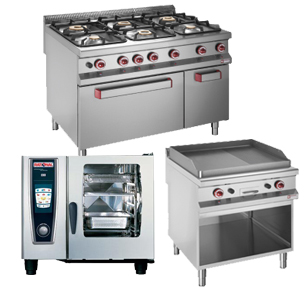
Commercial kitchens must adapt to changing customer expectations, menu development, staffing requirements, and production volumes. A flexible workspace allows businesses to respond to these changes without continually replacing essential equipment. Working with a suitable kitchen supply store can help operators identify practical appliances and accessories that support efficient workflows while making the best use of available space.
Assess Current and Future Business Needs
A flexible kitchen begins with a clear understanding of how the business operates today and how its requirements may change.
Review the Menu and Service Model
A restaurant offering table service may need different equipment arrangements from a takeaway business or central production kitchen. Catering companies may also require equipment that supports batch preparation and the transportation of food.
Review the most common tasks and identify where additional capacity, faster preparation, or improved storage would make a measurable difference.
Plan for Peak Demand
Consider the busiest service periods rather than relying only on average daily production. Equipment that cannot keep pace with peak demand may cause delays even when the rest of the kitchen operates efficiently.
At the same time, avoid purchasing oversized appliances unless the additional capacity serves a clear operational purpose.
Choose Versatile Equipment
Multifunctional equipment can help businesses perform several tasks without filling the kitchen with separate appliances.
Balance Flexibility and Specialization
Versatile ovens, commercial mixers, food processors, and adaptable preparation stations may support different menu items. However, specialized equipment can still be worthwhile when a particular process is performed frequently or requires precise control.
Evaluate the time saved, space occupied, production capacity, and maintenance requirements of each option.
Consider Modular Storage
Adjustable shelving, mobile worktables, stackable containers, and well-organized cabinets can help kitchens accommodate changing workflows.
Keep frequently used ingredients and tools accessible while ensuring that storage arrangements do not obstruct walkways, emergency exits, or equipment ventilation.
Make Better Use of Available Space
Before purchasing equipment, measure the kitchen and create a layout that shows preparation areas, cooking stations, sinks, refrigeration, and storage.
Arrange workstations so ingredients can move logically through the production process. Allow sufficient clearance for employees, equipment doors, cleaning, and maintenance.
Utility connections should be planned before installation. Electrical capacity, ventilation, water supply, drainage, and floor conditions may affect where particular appliances can be placed.
Incorporate Energy and Resource Efficiency
Equipment selection also influences ongoing resource consumption. Compare energy use, water requirements, insulation, operating controls, and maintenance needs where relevant.
Efficient appliances and well-planned workflows can help reduce unnecessary consumption. Staff training is equally important because correct operating practices support equipment performance and help prevent avoidable waste.
Create a Long-Term Maintenance Strategy
A flexible kitchen still requires dependable equipment. Establish inspection schedules, keep maintenance documentation, and ensure employees know how to identify common warning signs.
When purchasing major appliances, consider warranty coverage, spare-part availability, and access to qualified technicians. These factors may influence whether a business can continue operating smoothly when equipment requires servicing.
Final Thought
A flexible commercial kitchen combines practical layout planning, adaptable equipment, efficient storage, and preventive maintenance. By evaluating current requirements alongside realistic growth plans, businesses can improve productivity without investing in unnecessary equipment. Where future operations involve specialized rapid-freezing requirements, evaluating a suitable blast freezer can help determine whether that capability should be incorporated into the kitchen's long-term equipment plan.