Guest article
Dubai Apartment Handover Checklist: 15 Things to Check Before You Get the Keys
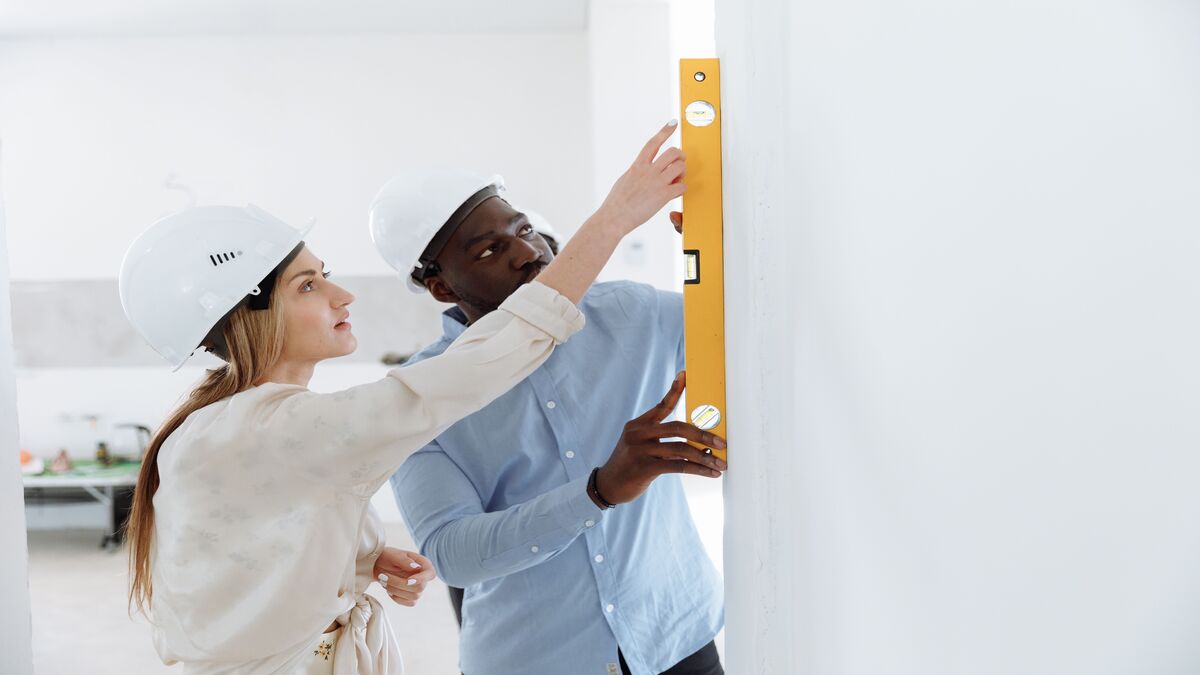
You’ve been waiting for this day for what feels like forever. After months (or maybe even years) of anticipation, the developer finally sends that golden email. Now you’re standing at the door, keys in hand, ready to step into a place that’s really, truly yours.
But here’s the thing nobody really warns you about: this is exactly when you need to pause and take a breath.
The handover inspection or “snagging,” as it's known here in Dubai, is your one clean shot at getting defects fixed on the developer's dime before you sign to say everything's fine.
A brand-new apartment isn't automatically perfect. Finishes get rushed near completion, AC units get commissioned in a hurry, and a slow leak under a sink can go unnoticed until it becomes a five-figure problem.
Give yourself an extra hour here. It’s the best (and cheapest) insurance you’ll ever get for your new place.
All you really need are four things: your phone (for photos and as a torch), a basic plug-in socket tester, and something to jot notes on (old-school notepad or your phone’s notes app both work).
That’s it. Ready? Let’s walk through the apartment together, room by room.
Before you start: can you inspect before accepting?
Yes, and you should. In most Dubai handovers, you have time to inspect the unit and log defects before you sign the handover acceptance form.
Once you sign, you're confirming you've received the property in acceptable condition, which weakens your position on anything you spot later.
So think of this inspection as your gatekeeper, not just a box to tick. Don’t sign anything until you’ve done the full walk-through below.
1. Test every AC unit
In Dubai, air conditioning isn’t just a nice-to-have. It’s how we survive the summer. So let’s start here.
Switch on the AC in every single room and let it run for a few minutes. Check that cool air comes out of every vent, the thermostat responds when you change it, and there are no odd rattles, hums, or vibrations.
Look up at the ceilings around the units and ducts, water stains there are a red flag for condensation or drainage problems, and those get expensive fast.
Why does this matter? AC problems are hands-down the most common (and expensive) handover snag in Dubai. Better to catch them now than sweat it out later.
2. Check the water pressure
Open every tap on its own, then open several at once: kitchen, basins, showers, utility taps. You want steady, consistent pressure across the apartment, not a strong kitchen tap and a sad trickle in the main bathroom. Weak flow, sputtering or knocking pipes all go on the list.
3. Look underneath every sink
This is the check almost everyone forgets, but trust me, it’s the one that can save you a world of hassle. Don't just run the tap and move on.
Open the cabinet under each kitchen and bathroom sink while the water is running and feel around the pipe connections, the drainage trap and the cabinet floor. A leak that's invisible from above is obvious the moment you put your hand under there.
4. Test the hot water
Turn on the hot taps and showers. The water should heat up properly and not take ages. If you’re standing there for two minutes waiting for it to warm up, make a note. If your apartment has its own water heater, have a quick look around it and its pipes for any signs of moisture.
5. Flush every toilet
Give each toilet a few flushes. It should refill and then stop. If it keeps running after the tank is full, that’s a problem. While you’re at it, check around the base for any wobble, dodgy sealing, or sneaky leaks.
6. Check the shower drainage
Let the shower run for a few minutes and watch where the water goes. It should head straight for the drain, not hang out in the corners or sneak across the bathroom floor.
If you see standing water, the floor probably isn’t sloped right. While you’re there, check the silicone sealing around screens, tubs, and any wet edges.
7. Test every electrical socket
This is where your socket tester comes in handy. Go around and test every outlet you can find, then check all the light switches, ceiling lights, bathroom and kitchen lighting, and any balcony sockets.
If you find anything that doesn’t work, snap a photo and jot down exactly where it, “living room, left of the balcony door” is way better than “one of the sockets.”
8. Open and close every door and lock
Every door - inside and out - should open and close smoothly, without scraping the floor or getting stuck.
Try out the entrance lock, bedroom doors, bathroom locks, balcony doors, and wardrobe doors. Give the handles a good wiggle to make sure they’re solid.
9. Inspect the windows properly
Open, close, and lock every window you can reach. Take a good look at the frames for any gaps, dodgy seals, scratches, cracked glass, or messy finishing.
Why does this matter? A badly sealed window in Dubai isn’t just an eyesore—it lets in heat, dust, and noise, and quietly bumps up your AC bill for years to come.
10. Study the walls and ceilings
Step right into each room and really look around, don’t just peek from the doorway. You’re on the lookout for paint that doesn’t match, cracks, dents, patch jobs, water marks, uneven plaster, and messy corners.
If you can, do this in daylight; a lot of these sneaky flaws hide under artificial lights and only show up when you least expect it.
11. Inspect the flooring
Check the tiles, marble, wood, or whatever your floors are made of. Check for chips, scratches, and uneven joints.
If you’ve got tiles, try gently tapping a few spots and listen: a hollow sound can mean a tile wasn’t laid right. Pay extra attention where rooms meet and along the skirting boards.
12. Go through the kitchen carefully
Open every cupboard and drawer. Drawers should slide smoothly, doors should line up nicely. Check the countertops for chips, scratches, and rough joins.
If your place came with appliances, double-check they’re the right ones and test them if you can. And yes! get down and peek under the sink again, just to be sure.
13. Check the wardrobes and built-ins
Open every wardrobe, storage cabinet, and built-in. Shelves should sit straight, doors should close cleanly. Look for chipped surfaces, loose hinges, and panels that don’t quite line up.
It’s all small stuff, but way easier to spot and fix now than after your clothes are already in there.
14. Don't forget the balcony
If you’ve got a balcony, check the flooring, drainage outlets, railings, glass panels, doors, and wall finishes. Give the railing a good push; it should feel rock solid.
Check how the floor slopes: water should drain away from your apartment, not pool up against your door.
15. Photograph everything before you sign
Your phone is your best friend today. Snap wide shots of every room and close-ups of any defects you spot. Then log them simply:
Room → Issue → Photo → Notes
For example: Main bathroom → shower door won't close fully → Photo 23
That simple structure makes it easy to hand the developer a clear, undeniable list. Keep everything, including defect reports, emails, photos. Verbal “yeah, we’ll sort it” promises have a way of disappearing into thin air.
Know your defects liability period
Most people don’t realize there’s a bit of a safety net when you buy a home here. In the UAE, developers usually have to fix any real construction or workmanship issues for about a year after you get your keys, and you don’t have to pay for those repairs.
That doesn’t mean you should skip the snagging inspection though. It’s always easier to get things sorted before you sign anything, instead of trying to chase fixes later. But if you do spot a problem a few months in, you might not have to pay for it yourself.
Just make sure to check your Sale and Purchase Agreement so you know exactly what’s covered and for how long.
What if the project itself was delayed?
The physical inspection is only half the story. Sometimes the real issue is that the property landed later than promised.
If that's your situation, don't assume every delay gives you the same rights - the details live in your SPA. Review the completion date, the grace period and the delay provisions before you decide how to respond.
DubaiLivin's guide to property handover delays in Dubai breaks down how SPA grace periods actually work and what buyers should weigh up when a project is delivered late.
Do you need a professional snagging company?
For a fairly standard apartment, you can catch most cosmetic issues yourself with this checklist.
But it's worth bringing in a professional snagging company when the property is high-value, when you're not familiar with construction, or when you want a more technical inspection. They'll spot things an untrained eye misses, like subtle gradient or MEP faults.
The goal here isn’t to make the world’s longest list of tiny flaws just to feel thorough. It’s to catch the things that actually affect how you’ll live in, look after, and enjoy your new home.
Take your time: it's worth it.
Getting the keys makes you want to rush in and start unpacking straight away. Try to resist. One careful hour now can save you months of chasing after “the developer said they’d fix it” later.
Take your time and walk through every room, step by step. Test what you can, photograph any defects, and keep all your paperwork together. If something looks technical or serious, call in a pro instead of guessing.
A new apartment doesn’t always mean a perfect one. Snagging is how you make sure the home you’re getting is as close as possible to what you were promised.