Guest article
Dubai Apartment Handover: A Practical Snagging Checklist for New Owners
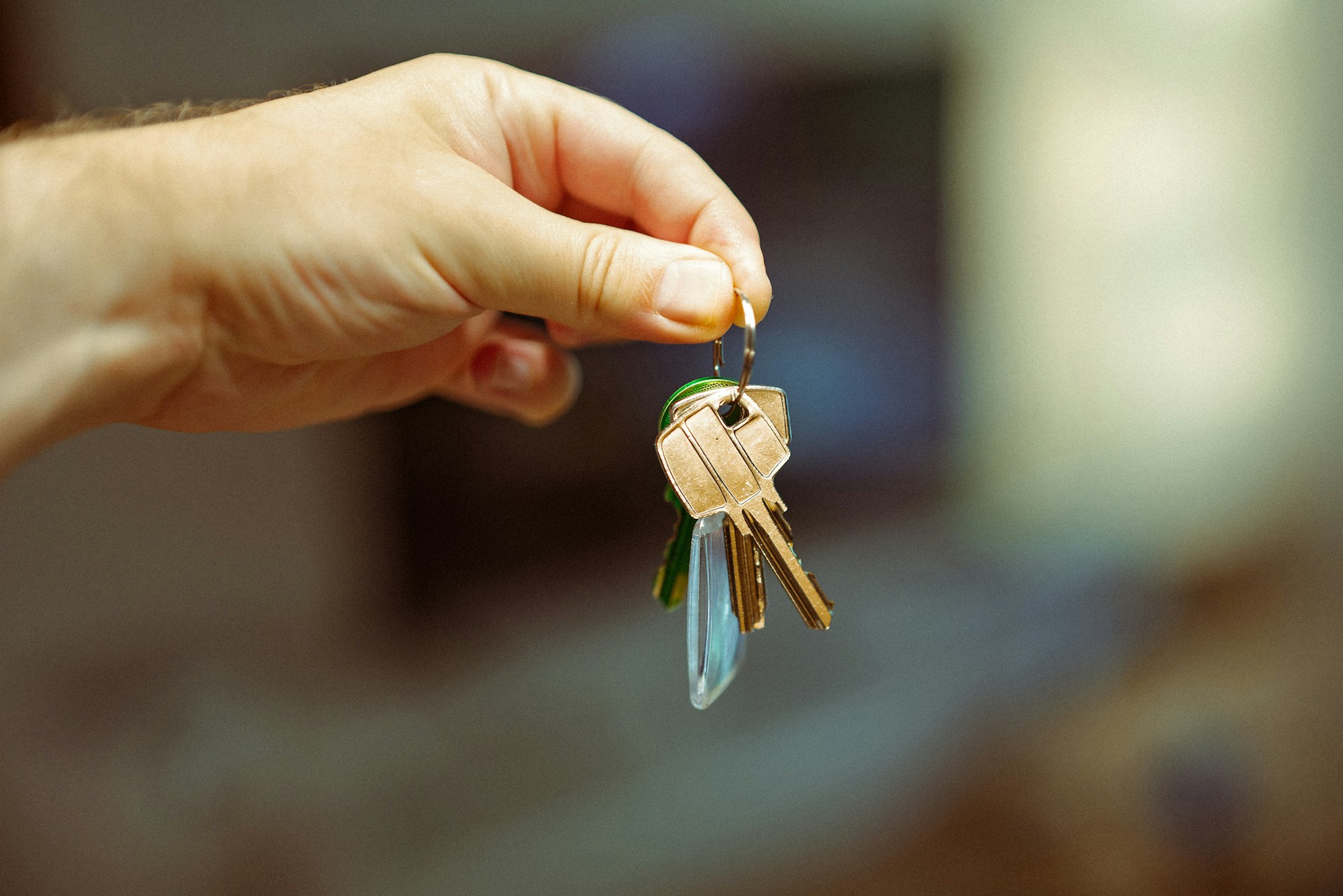
Taking possession of a new apartment in Dubai is an important stage in the buying process, particularly with off-plan developments where the property may be newly completed and ready for its first owner.
Before moving furniture in or arranging tenants, it is worth taking time to inspect the apartment carefully. Small defects can be much easier to resolve when they are identified and documented during the handover process.
A proper snagging inspection does not need to be complicated. The key is to work systematically through the apartment rather than relying on a quick visual check.
Start with the walls, ceilings and floors
Begin by walking through every room in daylight and inspect the general finish.
Look for:
Cracks or visible marks on walls and ceilings
Uneven paintwork or patchy finishes
Damaged corners and skirting boards
Loose or poorly finished flooring
Gaps between flooring and skirting
Damaged tiles or inconsistent grout
Signs of moisture, staining or discolouration
Run your hand across painted surfaces where appropriate. Some finishing defects are easier to identify by touch than from across the room.
Pay particular attention to areas around windows, bathrooms and kitchens, where finishing problems or moisture issues may become more apparent.
Check every door and window
Open and close every internal door several times.
Check that doors:
Open and close without catching
Sit correctly within their frames
Have properly fitted handles and locks
Do not have visible damage or poor finishing
Windows should also be opened and closed individually. Check the frames, handles, seals and locking mechanisms.
On higher floors, balcony doors deserve particular attention. Make sure they close correctly and that the locking mechanism operates properly.
Test the air conditioning
Air conditioning is one of the most important systems in a Dubai apartment, so it should be tested before accepting the property.
Turn on each thermostat and check that the system responds correctly. Allow enough time for the air conditioning to operate rather than simply checking that the display switches on.
Look for:
Uneven cooling between rooms
Unusual noises or vibration
Weak airflow
Water dripping from indoor units
Damaged vents or grilles
Thermostats that do not respond correctly
If the apartment uses district cooling, confirm that the relevant controls and connections are functioning as expected and ask the building management or developer about any procedures that apply to the unit.
Test plumbing and water pressure
Run the taps in the kitchen, bathrooms and utility areas.
Check both hot and cold water and allow each tap to run for a reasonable period.
Inspect underneath sinks and around visible pipework for leaks. Test shower controls and drains, and make sure water flows away properly rather than pooling around the shower area.
Toilets should be flushed several times and checked for leaks or slow filling.
Also look for:
Loose taps or fittings
Cracked sanitaryware
Poor silicone finishing
Blocked or slow drains
Water escaping around shower screens or bath areas
Small leaks can become much more expensive problems if they remain unnoticed.
Inspect the kitchen carefully
A newly fitted kitchen should be checked appliance by appliance.
Open every cabinet and drawer and make sure hinges, runners and handles work correctly. Check that doors align properly and that internal shelving is secure.
If appliances are included, test them individually where possible.
This can include:
Oven and hob
Extractor
Dishwasher
Refrigerator
Washing machine
Water heater
Look underneath the sink and around appliance connections for signs of leaks.
Check electrical points and lighting
Switch on every light and test the available switches.
Where appropriate, check accessible sockets with a suitable tester and make sure switches operate the intended lights or fixtures.
Also check:
Balcony lighting
Bathroom lighting
Kitchen appliances and dedicated connections
Intercom or video-entry systems
Smoke detectors
Electrical panels and labelled circuits
Do not attempt to open electrical equipment or carry out repairs yourself. Defects involving electrical systems should be reported to the developer, building management or a suitably qualified professional.
Do not forget the balcony and external areas
Balconies can be overlooked during an internal inspection.
Check the flooring, drainage, doors, glazing, railing and visible finishes.
Make sure rainwater or cleaning water can drain correctly and look for cracks, damaged tiles or areas where water could accumulate.
For apartments with terraces, gardens or other private external areas, inspect these spaces with the same care as the interior.
Check fixtures and fittings
Finally, work through the apartment room by room and check the smaller items.
These can include:
Handles and locks
Curtain tracks
Mirrors
Bathroom accessories
Towel rails
Cabinets
Shelving
Door stops
Light fittings
Air-conditioning grilles
Kitchen fittings
These may seem minor individually, but documenting them during handover is considerably easier than trying to establish later whether damage occurred after occupation.
Photograph everything
A snagging list should be supported by photographs.
Take clear photographs of each defect and, where useful, wider photographs showing exactly where the issue is located.
Keep the photographs organised by room and retain copies of the original images.
It is also useful to maintain a written list containing:
The location of the defect
A description of the issue
A photograph or reference to the photograph
The date it was identified
The date it was reported
Any reference number supplied by the developer or management team
For larger off-plan purchases, keeping a complete record of the handover process can be particularly useful. Buyers researching the wider process should also understand what is involved before committing to an off-plan property in Dubai.
What happens after the inspection?
Once the defects have been recorded, submit the snagging list through the developer's stated handover or customer-service process.
Ask for confirmation that the issues have been logged and keep copies of correspondence.
After remedial work has been completed, inspect the relevant areas again rather than assuming every item has been resolved.
Some defects may also require specialist inspection. Structural, electrical, plumbing, air-conditioning or other technical issues should be assessed by an appropriately qualified professional where necessary.
A simple final handover check
Before considering the apartment ready for occupation, walk through it one final time.
Check the systems that previously had problems, confirm that repairs have been completed and look for any damage that may have appeared during remedial works.
A careful handover inspection takes time, but it can identify problems while the developer or responsible contractor is still directly involved in putting them right.
For a new Dubai apartment, the objective is simple: document what you find, report it clearly and retain a record until the relevant issues have been resolved.
Buyers researching the wider process should also understand what is involved before committing to a Dubai off-plan property.