Guest article
Elegant Wall Lighting Ideas for Bedrooms, Hallways, and Living Spaces
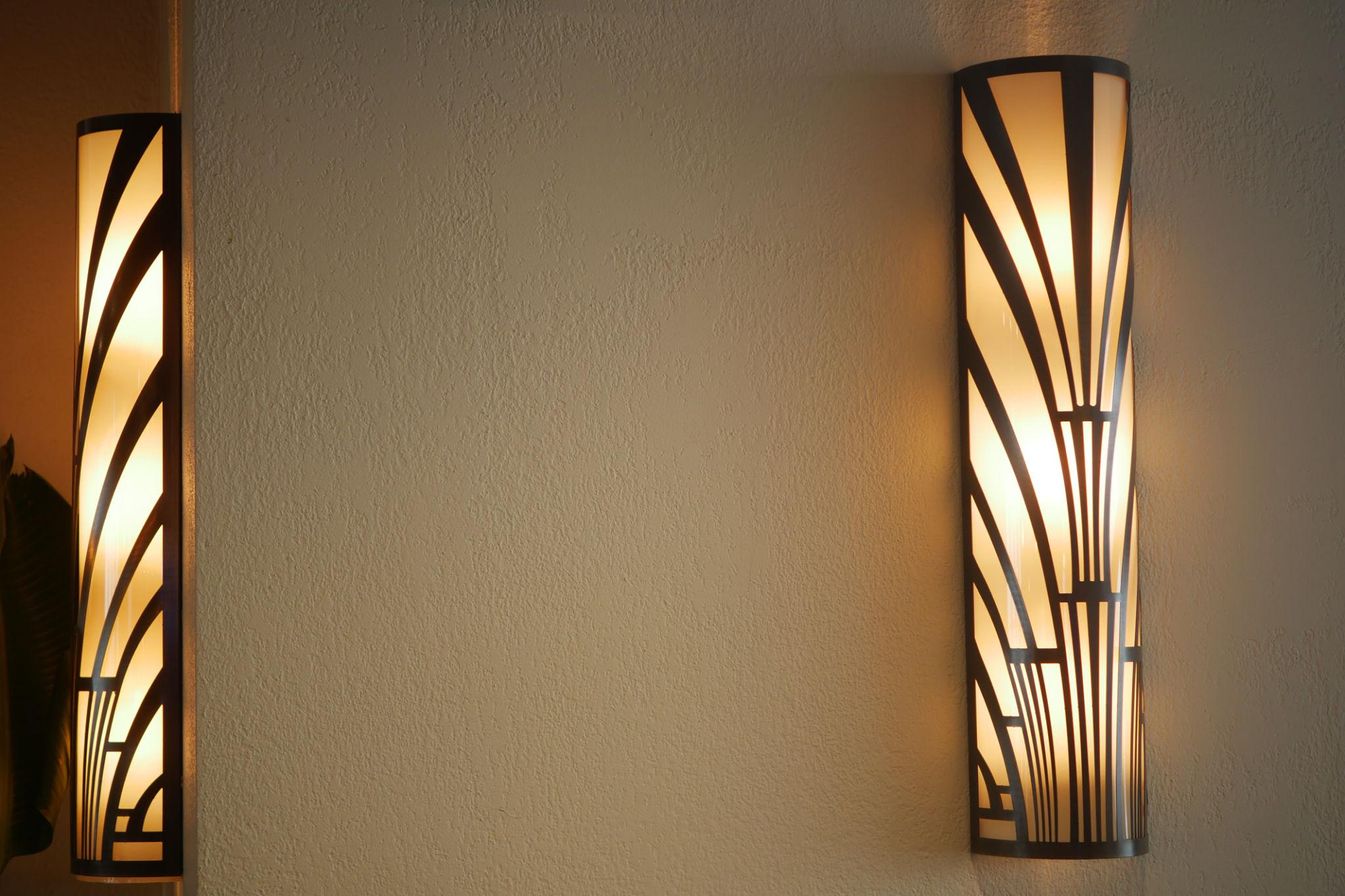
A well-designed interior depends on the relationship between lighting, colour, furniture, and architectural details. Decorative wall fixtures can introduce visual interest while delivering comfortable illumination in areas where overhead lighting alone may feel insufficient. gold wall sconces are particularly versatile because they can complement understated interiors, highlight decorative features, and bring a sense of refinement to both small apartments and spacious homes.
The Growing Appeal of Decorative Wall Lighting
Wall-mounted fixtures offer a practical alternative to table lamps and floor lamps. They leave furniture surfaces available for everyday essentials while helping distribute light across the room.
Unlike purely functional lighting, decorative fixtures also contribute to the interior when switched off. Their shapes, materials, and finishes become part of the room's visual identity.
A Balance Between Style and Function
The most effective lighting choices serve a clear purpose. A fixture beside a reading chair should provide useful illumination, while a decorative fitting in an entrance may be selected primarily to establish a welcoming atmosphere.
Before purchasing a design, consider the location, available wall space, desired brightness, and direction of the light. These factors help determine whether a compact fixture, an adjustable arm, or a more sculptural design is appropriate.
Complementing Different Interior Styles
Gold finishes can work with several decorating approaches. In a traditional interior, curved arms and ornamental detailing can complement classic furniture and patterned fabrics.
Contemporary rooms may benefit from simple cylindrical shades, geometric forms, or slim metallic profiles. For eclectic spaces, combining a gold-toned fixture with natural materials, colourful artwork, and textured textiles can create a more personalised result.
Bedroom Lighting That Encourages Relaxation
Bedrooms require lighting that supports different activities without disturbing the room's restful character.
Create a Coordinated Bedside Arrangement
Installing matching fixtures on either side of the bed can establish symmetry and make the headboard wall feel complete. This arrangement works especially well when the bed is positioned centrally against a feature wall.
The size of the fixtures should relate to the headboard and bedside furniture. Oversized designs can dominate a compact bedroom, whereas very small fixtures may look insignificant against a wide wall.
Improve Reading Comfort
Reading lights should direct illumination towards the page without shining into the eyes of someone lying in bed. Adjustable fittings provide flexibility, particularly when two people have different reading habits.
Separate switches also allow each person to control their own light. Where possible, choose compatible dimmable lamps so the brightness can be reduced before sleep.
Coordinate Finishes With Bedroom Accessories
A metallic finish can be repeated through drawer handles, mirror frames, decorative trays, or small furniture details. These subtle connections create cohesion without requiring every object to match exactly.
Soft bedding, upholstered headboards, and neutral wall colours can further balance the reflective quality of metallic surfaces.
Make Hallways and Entryways More Welcoming
Passages and entrance areas are often overlooked during decorating, even though they influence the first impression of a home.
Use Lighting to Establish Visual Rhythm
A long corridor can benefit from several fixtures arranged at consistent intervals. This creates a visual rhythm and helps guide movement through the space.
For shorter hallways, one carefully selected fitting may be enough. The objective is to provide useful illumination while maintaining suitable proportions.
Highlight Mirrors and Decorative Objects
A wall fixture positioned near an entrance mirror can make the space feel brighter and more functional. Lighting can also draw attention to framed artwork, console tables, or textured wall finishes.
Avoid placing a bright, exposed bulb directly within the usual line of sight. Diffused shades and thoughtfully directed beams help minimise discomfort.
Create a Sophisticated Living Room
Living rooms often serve several purposes, from entertaining visitors to watching films or relaxing with a book. Flexible lighting makes it easier to adapt the atmosphere to each activity.
Frame a Feature Wall
Matching fixtures can be positioned around a large artwork, fireplace, or architectural feature to establish a focal point. On a plain wall, their shape and light distribution can add depth without introducing additional decorative objects.
When illuminating artwork, check that the beam does not create excessive glare or expose delicate materials to unsuitable lighting conditions.
Combine Different Sources of Illumination
A comfortable living room usually benefits from a combination of ambient, task, and accent lighting. Ceiling fixtures can provide general illumination, table lamps can support reading, and wall lights can create a softer glow around seating areas.
Using separate switches makes it easier to adjust the room for different occasions. Warm-white bulbs are often suitable for relaxed evening settings, while the brightness should reflect the size of the room and the activities taking place.
Selecting the Right Fixture for Your Space
The appearance of a fitting matters, but technical considerations are equally important.
Assess Size and Wall Proportions
Measure the available wall area before choosing a fixture. Consider nearby furniture, door frames, mirrors, and artwork to ensure the installation will not feel crowded.
For a pair of fixtures, mark both positions before drilling or arranging electrical connections. Consistent height and spacing help achieve a balanced finish.
Choose the Appropriate Light Direction
Upward-facing designs create a soft glow by directing illumination towards the wall or ceiling. Downward-facing fixtures can highlight surfaces below, while adjustable models provide more focused task lighting.
Some designs distribute light in both directions, producing a decorative pattern on the wall. The right option depends on whether the priority is general ambience, visual emphasis, or practical visibility.
Check Electrical Specifications
Review the fixture's voltage requirements, bulb compatibility, dimming capabilities, and installation instructions. Bathrooms, balconies, and outdoor entrances require products specifically rated for the environmental conditions.
Professional installation is advisable for fixed wiring and any work that requires changes to the electrical system.
Keeping Metallic Fixtures Looking Their Best
Regular maintenance helps preserve the appearance of decorative lighting. Dust the surface with a soft, dry cloth and use only cleaning products approved for the specific finish.
Avoid rough sponges and abrasive chemicals, which can damage protective coatings. For fixtures with glass or fabric components, follow the manufacturer's instructions for cleaning each material separately.
Check the fitting periodically for loose components, flickering bulbs, or visible damage. Electrical faults should be inspected by a qualified professional.
Final Thought
Decorative wall lighting can improve the character of a bedroom, create a more welcoming entrance, and add depth to a living room. The best results come from matching the fixture to its purpose, selecting an appropriate finish, and considering placement, brightness, and surrounding materials. Combining these elements with complementary options such as مصباح السقف helps establish a cohesive lighting scheme that feels both practical and visually refined.