Guest article
Essential Kitchen Maintenance Tips for Restaurants in the UAE
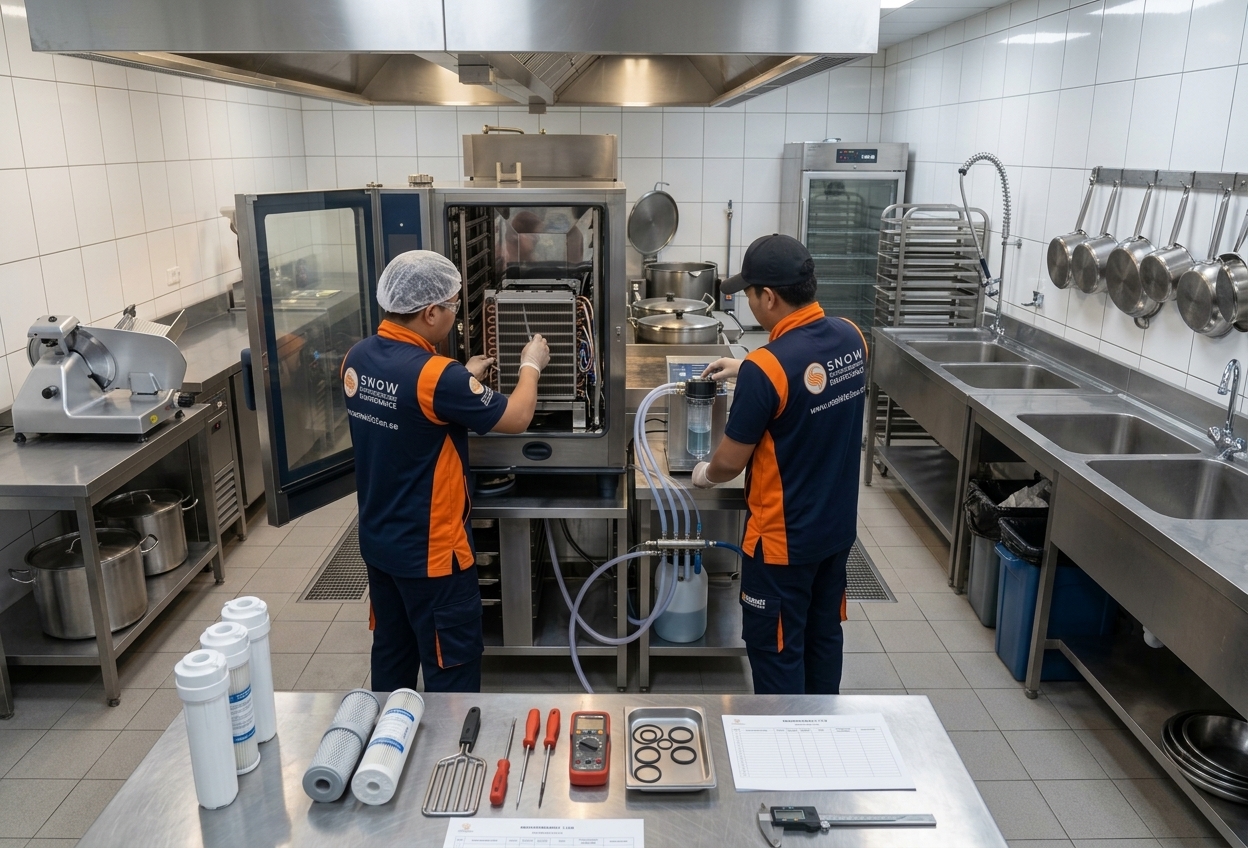
Commercial kitchens in the UAE operate in a demanding environment where equipment reliability, cleanliness, and food safety are essential. From restaurants and hotels to cafés and catering facilities, kitchen equipment must perform consistently to support daily operations and maintain food quality.
High temperatures, heavy equipment usage, grease buildup, and continuous cooking can put extra pressure on kitchen systems. Without proper maintenance, small problems can quickly develop into costly repairs, unexpected downtime, and food waste. Following a regular maintenance routine helps restaurants improve efficiency, extend equipment lifespan, and maintain a safe working environment.
Key Maintenance Steps for Commercial Kitchens
1. Create a Regular Kitchen Maintenance Schedule
Establish daily, weekly, and monthly inspection routines covering cooking equipment, refrigeration units, dishwashers, and ventilation systems. Assigning maintenance responsibilities to specific team members ensures important tasks are never overlooked. For dedicated professional support, explore kitchen equipment maintenance in Abu Dhabi.
2. Clean Cooking Equipment After Daily Operations
Grease, food particles, oil, and residue accumulate rapidly. Clean ovens, grills, fryers, and stovetops daily according to manufacturer instructions. Routine cleaning prevents fire risks and makes it easier to notice damaged components or unusual wear.
3. Maintain Commercial Refrigeration Systems
Monitor internal temperatures, inspect door seals, and clean condenser coils regularly. In the UAE’s hot climate, cooling systems face heavy operational stress. For complex cold storage requirements or upgrades, learn more about cold room installation in Abu Dhabi.
4. Inspect Ventilation and Exhaust Systems
Commercial kitchen ventilation removes heat, smoke, grease, and odors. Clean exhaust hood filters regularly and inspect fans, motors, and ducts to maintain proper airflow and reduce fire risks.
5. Check Dishwashers and Cleaning Equipment
Inspect spray arms, filters, drainage systems, and door seals for blockages or wear. Ensure water temperatures and chemical cycles comply with hygiene and manufacturer standards to avoid service interruptions.
6. Maintain Fryers and High-Temperature Appliances
Filter and replace fryer oil according to usage, clean heating elements, and verify thermostat controls. Never allow unqualified staff to attempt electrical or gas repairs.
7. Inspect Electrical and Gas Connections Safely
Inspect cabling and gas lines for visible wear. Report unusual smells, sparks, or abnormal behavior immediately. If a gas leak is suspected, follow site emergency evacuation procedures immediately and call professional emergency services.
8. Maintain Stainless Steel Equipment
Clean tables, counters, and sinks using non-abrasive materials and gentle cleaning agents to protect the protective finish from corrosion. For expanded facility setups, explore stainless steel kitchen equipment in Abu Dhabi.
9. Train Staff to Recognize Equipment Problems
Train kitchen employees to detect early warning signs like unusual noises, slow drainage, leaks, or temperature fluctuations, and establish a clear reporting process.
10. Keep Accurate Maintenance Records
Document all inspection dates, repairs, parts replaced, and technician servicing notes. Tracking history helps plan future maintenance and evaluate equipment lifespan.
11. Arrange Professional Repairs Promptly
Avoid operating malfunctioning equipment. Promptly engaging qualified technicians prevents minor faults from escalating into full system failures.
12. Consider an Annual Maintenance Contract (AMC)
An AMC structures routine inspections and emergency coverage, helping management budget maintenance costs effectively and minimize unexpected operational downtime.
13. Replace Worn or Damaged Parts Early
Replacing deteriorating switches, seals, or thermostats on time prevents cascading damage to major equipment components.
14. Prepare Equipment for Peak Periods
Before holidays, tourist seasons, or major events, conduct comprehensive checks on refrigeration, cooking, and exhaust systems to handle high customer volume smoothly.
15. Understand Long-Term Value
Preventive maintenance reduces long-term operating costs, lowers energy consumption, extends equipment service life, and protects food inventory.
Regular servicing can improve equipment reliability, support energy efficiency, extend useful service life, and reduce food loss caused by equipment problems.
It also helps kitchen managers plan repairs more effectively instead of relying entirely on emergency maintenance.
For restaurants in the UAE, preventive maintenance is an important investment in kitchen safety, operational efficiency, and long-term business performance.
About Snow Kitchen Equipment Maintenance
Snow Kitchen Equipment Maintenance supports commercial kitchen operations in Abu Dhabi through kitchen equipment maintenance, repairs, and related commercial kitchen services.
By prioritizing regular inspections, professional servicing, and timely repairs, restaurants can keep essential equipment operating reliably and create a safer, more efficient working environment.
Whether you manage a restaurant, café, hotel, or catering facility, a well-planned maintenance routine can help protect your equipment and support consistent service.
Keep your commercial kitchen operating efficiently with professional maintenance and repair support. Learn more about Snow Kitchen’s services through the approved service links above.