Guest article
Essential Property Maintenance Practices for Long-Term Asset Protection
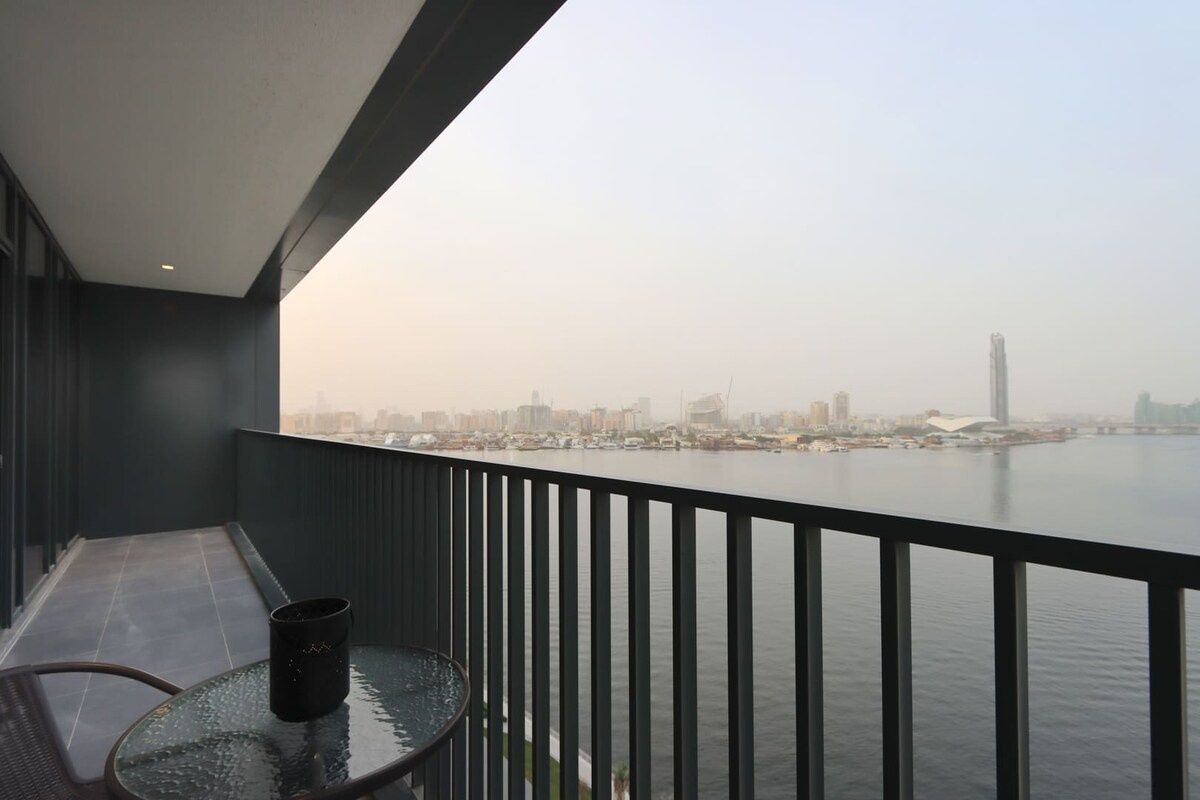
A property's long-term value depends on how well it is maintained throughout its useful life. Even well-built apartments and commercial spaces require regular inspections, equipment servicing, and timely repairs to remain functional and attractive. Many investors work with property management companies to coordinate maintenance activities, monitor building conditions, and organize repair schedules. A proactive approach can reduce avoidable deterioration, support occupant satisfaction, and help owners plan expenditure more effectively.
Why Preventive Maintenance Is Important
Preventive maintenance focuses on identifying potential problems before they lead to significant damage or disruption. Rather than waiting for equipment to fail, owners can establish regular checks based on the property's age, construction, facilities, and usage.
This approach is particularly valuable for properties with frequent occupancy, extensive mechanical systems, or exposure to demanding environmental conditions.
Reduce the Risk of Expensive Repairs
Small maintenance issues can develop into larger problems when ignored. A minor plumbing leak, for example, may eventually damage cabinetry, flooring, or surrounding walls. Similarly, neglected air-conditioning equipment may experience reduced efficiency or require premature replacement.
Routine inspections help identify warning signs and provide opportunities to address faults before repair requirements become more extensive.
Preserve the Property's Appearance
The visual condition of a building influences how prospective tenants and visitors perceive it. Damaged paintwork, broken fixtures, stained surfaces, and poorly maintained common areas can create an impression of neglect.
Regular cleaning, timely repairs, and appropriate refurbishment help maintain presentation without requiring frequent large-scale renovations.
Building a Practical Maintenance Schedule
Inspect Essential Systems
A maintenance plan should account for the systems that support safe and comfortable occupancy.
Depending on the building, inspections may cover:
Plumbing connections, drainage, and visible leaks.
Air-conditioning performance and ventilation.
Electrical installations and visible signs of damage.
Doors, windows, locks, and access systems.
Appliances, fixtures, and other supplied equipment.
Signs of dampness, water intrusion, or surface deterioration.
Specialist inspections should be arranged when necessary, particularly for systems that require technical knowledge or statutory compliance checks.
Establish Seasonal Maintenance Tasks
Environmental conditions can influence the frequency and type of maintenance required. In hot climates, cooling systems may experience substantial demand, while dust can affect filters and outdoor equipment.
Owners should arrange servicing according to manufacturer guidance, usage levels, and local requirements. Outdoor surfaces, drainage systems, and exposed fixtures should also be assessed where environmental conditions may contribute to deterioration.
Keep Accurate Maintenance Records
A maintenance log helps owners understand the property's repair history. It should record the date of each inspection, the issue identified, the work authorized, the contractor involved, and the cost incurred.
These records help reveal recurring problems and support budgeting decisions. They can also be useful when reviewing warranty conditions or evaluating whether equipment should be repaired or replaced.
Budgeting for Property Maintenance
Separate Routine Costs From Major Improvements
Routine maintenance includes regular servicing, minor repairs, and the replacement of everyday consumables. Capital improvements generally involve larger projects intended to extend useful life, improve functionality, or upgrade the property.
Separating these categories makes financial reporting clearer and helps owners understand where money is being spent.
Compare Repair and Replacement Options
Repeated repairs may eventually cost more than replacing an aging component. However, replacement decisions should consider the equipment's condition, expected remaining life, energy efficiency, warranty coverage, and installation costs.
Obtaining more than one quotation for significant work can help owners evaluate pricing and scope. The cheapest proposal is not necessarily the best option if it excludes essential work or uses unsuitable materials.
Maintain an Emergency Reserve
Unexpected failures can occur even when inspections are conducted regularly. A maintenance reserve allows owners to respond without immediately disrupting other financial commitments.
The reserve should reflect the property's size, age, equipment, occupancy, and potential repair exposure. Larger or older properties may require more substantial provisions than recently completed units with limited maintenance needs.
Selecting Reliable Contractors
Maintenance quality depends partly on the professionals completing the work. Before appointing a contractor, owners should verify relevant qualifications, experience, insurance where appropriate, and compliance with applicable requirements.
Written quotations should clearly describe the work, materials, costs, expected completion date, and any exclusions. For substantial projects, progress checks and documented completion reviews can help confirm that the agreed work has been delivered.
Owners should also understand who is authorized to approve additional expenses if unexpected problems emerge during repairs.
Using Technology to Improve Maintenance Management
Digital maintenance systems can centralize inspection reports, repair requests, contractor details, invoices, and service reminders. This reduces dependence on scattered messages and makes it easier to track outstanding tasks.
For owners with several units, a centralized dashboard can highlight overdue servicing, recurring faults, and spending patterns across their portfolio.
Technology is most effective when records are updated consistently and urgent requests are handled through a clearly defined escalation process.
Final Thought
Effective maintenance protects property condition, supports occupant comfort, and gives owners greater control over long-term expenditure. Regular inspections, reliable contractors, organized documentation, and realistic budgets all contribute to a more resilient investment. Owners of furnished units should also consider holiday home management Dubai when they need coordinated cleaning, guest-related maintenance, inventory checks, and property readiness between short-term stays.