Guest article
Flooring Installation in Dubai: Common Mistakes to Avoid
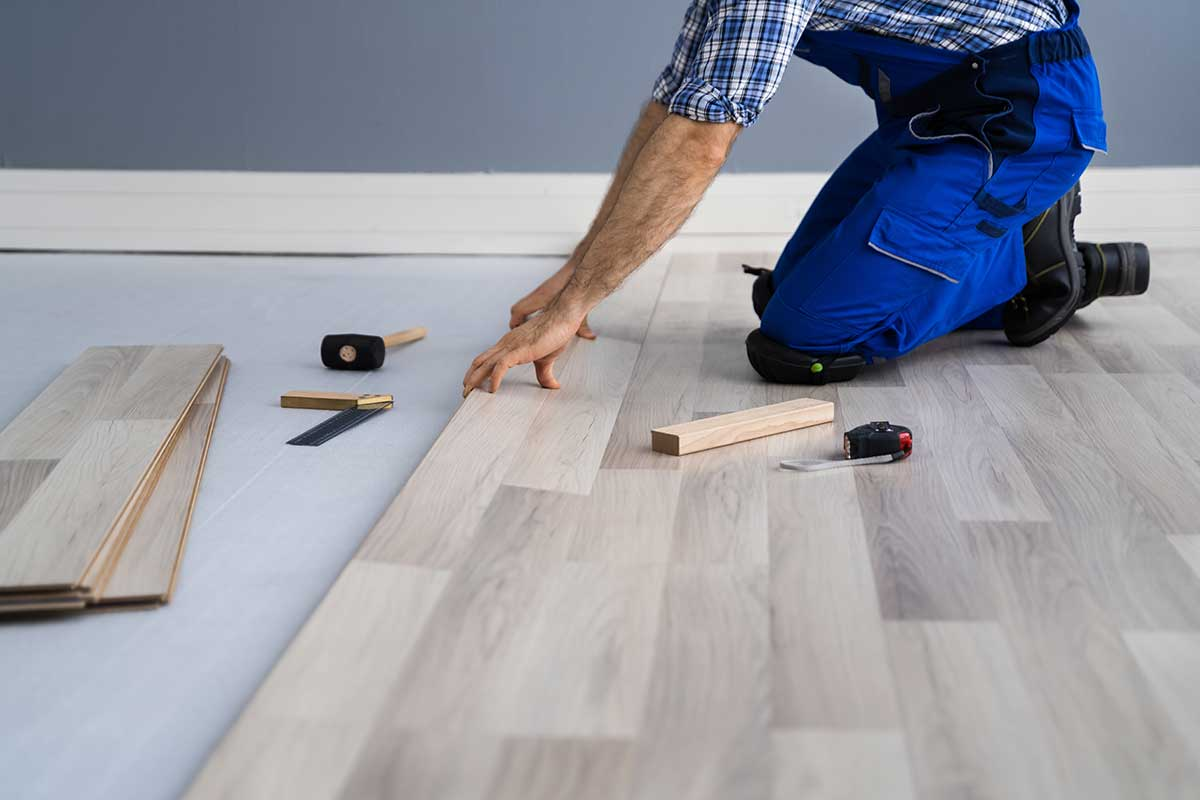
Flooring plays an important role in the appearance, comfort, and durability of any property. Whether you are renovating a villa, upgrading an apartment, or improving a commercial space, choosing the right flooring and ensuring proper installation can make a significant difference. However, many property owners overlook essential installation steps, leading to uneven surfaces, loose tiles, damaged flooring, and expensive repairs.
In Dubai, flooring must withstand high temperatures, air conditioning, daily foot traffic, and the specific requirements of each property. Working with experienced professionals can help you avoid common installation problems and achieve long-lasting results. Mr. Xpert Technical Services provides professional flooring solutions designed to improve the functionality and appearance of residential and commercial spaces.
In this guide, we explore the most common flooring installation mistakes in Dubai and explain how to avoid them.
Why Proper Flooring Installation Matters in Dubai
Flooring is a long-term investment that affects both property value and everyday comfort. Poor installation can cause cracks, gaps, moisture damage, and premature wear. These issues may require costly repairs or complete floor replacement.
Dubai properties feature different flooring requirements depending on their design, usage, and environmental conditions. For example, villas may benefit from elegant wood-look flooring, while commercial spaces often require durable surfaces that can withstand heavy foot traffic.
Choosing suitable materials, preparing the surface correctly, and following professional installation methods help ensure that your flooring remains attractive and functional for years.
1. Choosing the Wrong Flooring Material
One of the most common mistakes is selecting flooring based only on appearance or price. Although a material may look attractive in a showroom, it might not suit your property's conditions or daily requirements.
For example, some wood flooring products can be affected by moisture and temperature fluctuations. Low-quality vinyl may wear quickly in busy areas, while certain tiles may become slippery when wet.
How to avoid this mistake:
Consider the room's purpose, expected foot traffic, maintenance requirements, and exposure to moisture before making a decision. Porcelain tiles can be suitable for many kitchens and bathrooms, while quality vinyl and laminate options may work well in selected living spaces. Engineered wood can provide a natural appearance when the product is suitable for the installation environment.
Consulting a flooring professional helps you compare materials and select an option that meets your budget, design preferences, and practical needs.
2. Ignoring Subfloor Preparation
Even high-quality flooring can fail when installed over an uneven, dirty, or poorly prepared surface. Subfloor problems can cause hollow sounds beneath tiles, uneven joints, loose planks, and visible imperfections.
Dust, grease, old adhesive, and cracks may also prevent flooring materials from bonding properly.
How to avoid this mistake:
Before installation, ensure the existing surface is clean, stable, and sufficiently level. Professionals should identify cracks, remove unsuitable residues, and repair damaged areas. Moisture testing may also be necessary, particularly before installing wood, laminate, or other moisture-sensitive flooring.
Proper preparation creates a reliable foundation and reduces the likelihood of future flooring problems.
3. Failing to Measure the Area Accurately
Incorrect measurements can lead to material shortages, excessive waste, awkward cuts, and mismatched patterns. These problems can delay installation and increase project costs.
Measuring only the basic length and width of a room may not account for doorways, corners, columns, built-in furniture, and irregular layouts.
How to avoid this mistake:
Measure the entire installation area carefully and prepare a layout before ordering materials. Account for cutting waste and the manufacturer's recommended allowance for spare flooring. Complex layouts may require professional measurement to ensure accurate material estimates.
Accurate planning helps maintain consistent patterns, reduce unnecessary expenses, and create a cleaner finish.
4. Skipping Acclimatisation and Manufacturer Guidelines
Some flooring materials, especially laminate, engineered wood, and solid wood, may need to adjust to the room's temperature and humidity before installation. Installing them without following the manufacturer's instructions can increase the risk of expansion, contraction, gaps, or buckling.
Dubai's outdoor heat and indoor air conditioning can create different environmental conditions, making proper preparation particularly important.
How to avoid this mistake:
Follow the product manufacturer's instructions for storage, acclimatisation, temperature, and humidity. Confirm that the installation area meets the recommended conditions before work begins.
Not every flooring material requires the same acclimatisation period, so professional installers should follow the specifications for the selected product.
5. Using the Wrong Adhesive or Installation Method
Different flooring products require different installation techniques. Using an unsuitable adhesive, incorrect grout, or incompatible underlay can affect the floor's stability and durability.
For example, certain tiles require adhesives designed for their material and installation environment. Vinyl flooring may need a compatible adhesive or a specified click-lock system, depending on the product.
How to avoid this mistake:
Always use materials approved for the selected flooring system. Follow the recommended adhesive coverage, curing time, grout specifications, and installation method. Avoid walking on newly installed floors before the products have cured sufficiently.
Professional flooring installation helps ensure that each component works correctly with the chosen material.
6. Overlooking Expansion Gaps
Some flooring products expand and contract in response to changes in temperature and humidity. If installers fail to leave the required expansion gaps, the flooring may buckle, lift, or press against walls and fixed objects.
This problem can occur when floating laminate or engineered flooring is installed too tightly.
How to avoid this mistake:
Follow the manufacturer's expansion-gap requirements around walls, door frames, columns, and other fixed structures. Use suitable skirting boards and transition profiles to cover gaps while allowing the flooring to move as intended.
Correct spacing supports a neat finish and helps prevent avoidable damage.
7. Neglecting Waterproofing and Moisture Protection
Moisture is a major concern in bathrooms, kitchens, laundry areas, and other spaces exposed to water. Installing flooring without addressing moisture risks can result in adhesive failure, mould growth, damaged underlays, or deterioration of sensitive materials.
It is also important to remember that water-resistant flooring does not automatically make the underlying floor waterproof.
How to avoid this mistake:
Inspect the subfloor for moisture and resolve any leaks before installation. In wet areas, ensure that the appropriate waterproofing system, drainage details, and compatible flooring materials are used. Follow local requirements and product recommendations for bathrooms and other moisture-prone spaces.
Proper moisture management protects the flooring and the structure beneath it.
8. Prioritising Low Prices Over Installation Quality
Choosing the cheapest contractor may seem like a practical way to reduce renovation expenses. However, inexperienced installation teams can create problems that cost much more to correct later.
Poor tile alignment, uneven joints, visible gaps, weak bonding, and damaged edges can affect both the appearance and performance of the finished floor.
How to avoid this mistake:
Compare contractors based on experience, workmanship, material recommendations, project scope, and transparent pricing. Ask about surface preparation, installation methods, finishing details, and after-installation support.
Investing in professional flooring services can help reduce rework and provide better long-term value.
9. Ignoring Maintenance Requirements After Installation
Even properly installed flooring can deteriorate when it receives unsuitable cleaning or inadequate maintenance. Harsh chemicals, excessive water, abrasive tools, and dragging heavy furniture can damage certain surfaces.
Different materials require different care routines, so a single cleaning method may not be appropriate for every floor.
How to avoid this mistake:
Follow the flooring manufacturer's cleaning instructions. Use suitable cleaning products, remove spills promptly, and place protective pads beneath furniture. For high-traffic commercial areas, establish a regular cleaning and inspection schedule to maintain the floor's appearance.
Good maintenance extends the useful life of your flooring and helps protect your investment.
Why Choose Mr. Xpert for Flooring Installation in Dubai?
Choosing a reliable flooring service provider is essential for achieving a professional finish. Mr. Xpert Technical Services offers solutions for property owners looking to improve their interiors with practical, attractive, and durable flooring.
With a focus on quality workmanship, communication, and customer satisfaction, Mr. Xpert can help you plan your flooring project according to your property's needs. From selecting suitable materials to preparing the surface and completing the installation, professional guidance helps minimise common mistakes and achieve a consistent finish.
Whether you are renovating a residential property or upgrading a commercial space, discuss your requirements with the team before starting your project. Proper planning can help you make informed decisions about materials, installation methods, maintenance, and budget.
Conclusion
Flooring installation in Dubai requires more than selecting an attractive material. Accurate measurements, proper subfloor preparation, suitable adhesives, moisture protection, expansion gaps, and skilled workmanship all contribute to a durable result.
Avoiding these common mistakes can help prevent unnecessary repairs, improve the appearance of your property, and protect your investment. By choosing appropriate flooring materials and working with experienced professionals, you can create a comfortable and attractive space that meets your long-term needs.
For professional flooring installation in Dubai, consider Mr. Xpert Technical Services to discuss your project requirements and explore suitable flooring solutions for your property.
Frequently Asked Questions (FAQs)
1. What is the most common flooring installation mistake?
Poor subfloor preparation is one of the most common mistakes. An uneven or contaminated surface can cause loose tiles, gaps, hollow spots, and premature flooring damage.
2. Which flooring is best for homes in Dubai?
The best flooring depends on the room, budget, maintenance preferences, and design requirements. Porcelain tiles, suitable vinyl products, laminate, and engineered wood can all be options when selected and installed correctly.
3. How long does flooring installation take in Dubai?
The installation time depends on the floor area, material, subfloor condition, and complexity of the project. Preparation, adhesive curing, and finishing can add to the overall timeline.
4. Does flooring installation require subfloor preparation?
Yes. The subfloor generally needs to be clean, stable, and sufficiently level. Some materials also require moisture testing or additional preparation before installation.
5. Why should I hire professional flooring installers in Dubai?
Professional installers can help select suitable materials, prepare the subfloor, follow manufacturer guidelines, and achieve accurate alignment and finishing. This can reduce installation errors and help improve the flooring's durability.
6. How can I make my flooring last longer?
Use suitable cleaning products, clean spills promptly, protect floors from scratches, and follow the manufacturer's maintenance recommendations. Regular inspections can also help identify minor issues before they become expensive problems.
Read more https://dubaifix.ae/