Guest article
Frac Tanks Explained: Applications, Benefits and Industrial Storage Requirements
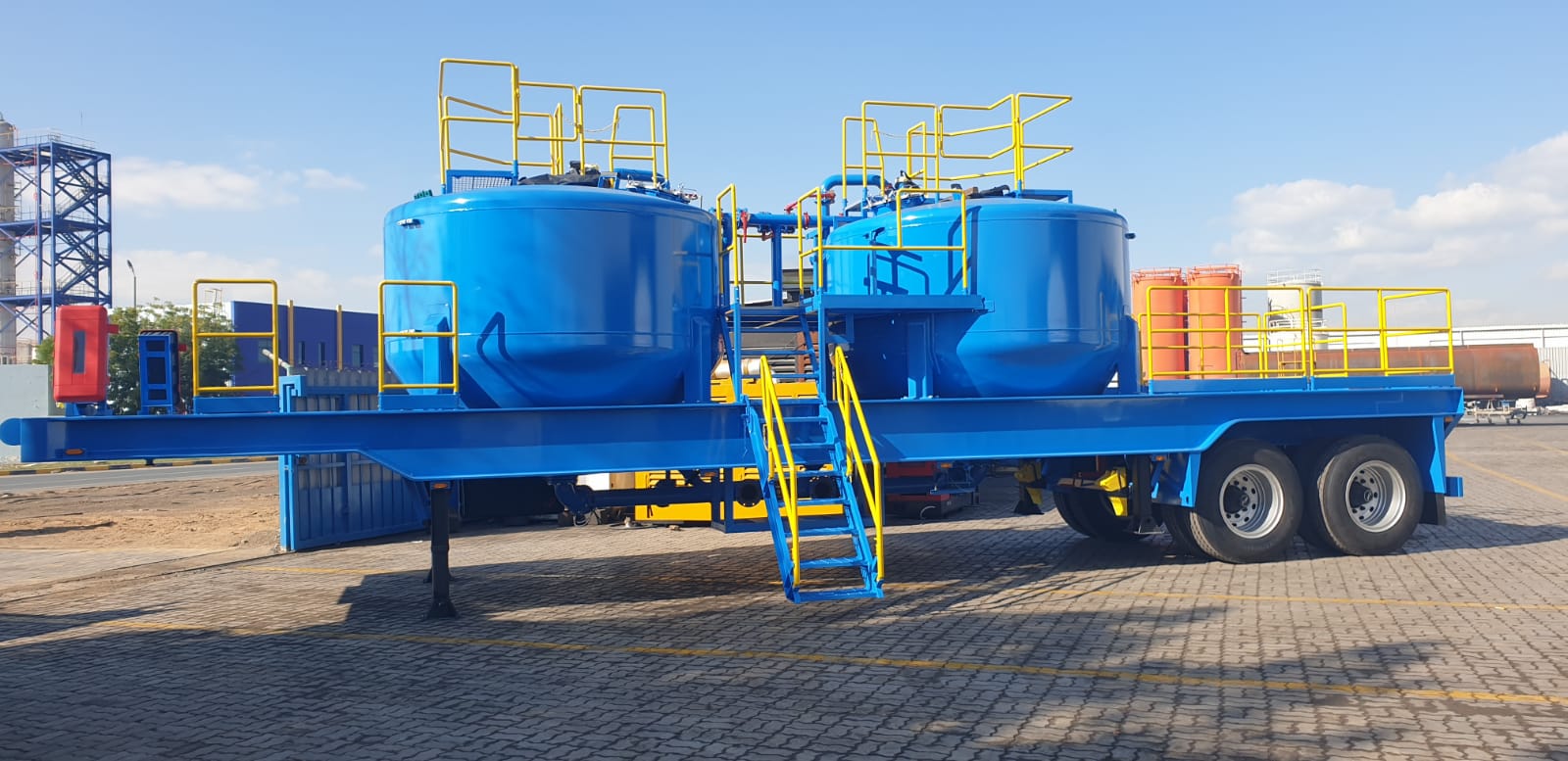
On a large industrial project, storage requirements can change quickly. Materials may arrive in stages, temporary processing areas may need additional capacity, and permanent infrastructure may not yet be available.
In such situations, portable storage equipment becomes an important part of operational planning.
Frac tanks are designed to provide temporary or project-based storage for liquids and other materials, depending on their specific configuration. Their transportable construction makes them useful across several industrial sectors, including oil and gas, construction, wastewater management, and selected manufacturing activities.
For larger and long-term storage operations, an Oil Terminal Storage Tanks Manufacturer also plays an important role by providing storage solutions designed to support the handling and management of petroleum products at industrial facilities.
Understanding their design and limitations helps businesses determine when this type of equipment is appropriate.
What Is a Frac Tank?
A frac tank is a large, transportable storage unit generally designed for temporary industrial use.
Many conventional designs feature a steel tank body supported by a transportable frame or trailer arrangement.
The exact configuration depends on the intended material, capacity, handling method, and operating environment.
Why Portable Storage Is Valuable
Permanent storage installations require land preparation, foundations, engineering approvals, and installation work.
Temporary storage equipment offers greater flexibility when projects need capacity for a limited period.
It can be delivered to a site, positioned for operation, and relocated when the work is completed, subject to transportation and site requirements.
This makes it useful for projects where storage demand changes between different phases.
Common Applications Across Industrial Sectors
Frac tanks are associated with several industrial activities, although the suitability of a particular unit depends on its design and the material being stored.
Oil and Gas Operations
Oilfield activities may generate demand for temporary storage of suitable liquids used during drilling, servicing, and related processes.
Storage requirements can vary depending on the site, operational stage, and material characteristics.
The equipment must be selected according to chemical compatibility, capacity, containment requirements, and relevant industry standards.
Construction and Infrastructure Projects
Construction sites may require temporary water storage for dust suppression, cleaning, and other operational activities.
Where a suitable configuration is available, portable tanks can help support these temporary requirements.
They may also provide additional capacity during site preparation or infrastructure upgrades.
Industrial and Environmental Operations
Some industrial facilities require temporary holding arrangements during maintenance, treatment, or process changes.
Storage equipment can provide an intermediate location while materials are transferred or processed.
However, hazardous liquids and wastewater require specific containment and handling arrangements. A general-purpose tank should not be assumed suitable for every substance.
Understanding Tank Design and Construction
A reliable storage unit must be engineered according to its intended operating conditions.
Capacity is only one part of the specification.
Structural Materials and Reinforcement
Steel construction is common in heavy-duty industrial storage applications.
Material thickness, reinforcement, support arrangements, and fabrication quality influence the unit's ability to withstand its intended loads.
The design must also account for transportation forces and the conditions expected when the tank is positioned at a site.
Internal Protection and Material Compatibility
The stored substance determines which internal surfaces and protective treatments may be appropriate.
Some liquids require specialised coatings or materials to reduce corrosion and contamination risks.
Before selecting a tank, businesses should obtain confirmation that its construction is suitable for the intended contents.
Planning Site Placement and Installation
Transportable equipment still requires careful site preparation.
The ground must be suitable for the equipment's weight and expected operating loads.
Check Access and Foundation Conditions
Delivery routes should accommodate the tank's dimensions and transport arrangement.
Turning areas, overhead obstructions, ground conditions, and unloading space must be evaluated before delivery.
Once positioned, the unit should rest on an appropriately prepared surface.
Where required, engineering assessment should confirm that the supporting ground can safely accommodate the load.
Organise Connections and Transfer Equipment
Pumps, hoses, pipelines, and valves should be selected according to the material and required transfer rate.
Connections must be compatible with both the storage equipment and the receiving system.
Clear identification of inlet and outlet points can help reduce operational mistakes.
Safety and Environmental Management
Temporary storage does not reduce the importance of environmental protection.
A leak or overflow can create operational disruption and potential contamination.
Establish Appropriate Containment
The required containment arrangement depends on the stored material and applicable regulations.
Where secondary containment is necessary, its design should account for the potential volume of released material.
Regular inspections should identify leakage, damaged fittings, corrosion, and changes in structural condition.
Manage Filling and Emptying Operations
Operators should understand the unit's capacity limits and transfer procedures.
Overfilling, incompatible materials, and unsuitable pumping arrangements can create significant risks.
Appropriate monitoring and emergency isolation provisions should be included in the operating plan.
Maintenance and Project Lifecycle Considerations
Frac tanks may be moved between different locations throughout their working life.
This makes inspection important both before and after transportation.
Maintenance should include checks of the tank shell, support structure, welds, valves, connections, protective coatings, and access components.
Cleaning procedures must be appropriate for the previous and intended stored materials.
Records should document inspections, repairs, cleaning activities, and any changes to the tank's approved application.
Understanding Related Industrial Storage Systems
Temporary storage is only one part of a wider industrial infrastructure network.
Projects may also require permanent installations for petroleum products, cement, or other bulk materials.
A Cement Batch Mixer In UAE serves a different operational purpose because it supports the preparation of concrete mixtures rather than general liquid storage.
Similarly, businesses researching an Oil Terminal Storage Tanks Manufacturer should distinguish between permanent terminal installations and transportable project-based storage equipment.
The engineering, capacity planning, foundations, and regulatory requirements can differ considerably.
Choosing the Right Equipment
Before selecting a unit, businesses should establish the stored material, required capacity, operating duration, site conditions, and transfer arrangements.
They should also review transportation dimensions, inspection requirements, and the availability of technical support.
A suitable selection is one that meets the project's actual requirements without introducing unnecessary complexity.
Conclusion
Frac tanks provide flexible storage capacity for industrial operations that require temporary or relocatable solutions.
Their practical value comes from transportability, adaptable configurations, and the ability to support changing project requirements.
However, successful use depends on correct material selection, structural suitability, safe site placement, environmental protection, and consistent maintenance.
Careful evaluation helps businesses integrate temporary storage into their operations while maintaining control over safety and performance.