Guest article
How District Cooling Supports Energy-Efficient Urban Development
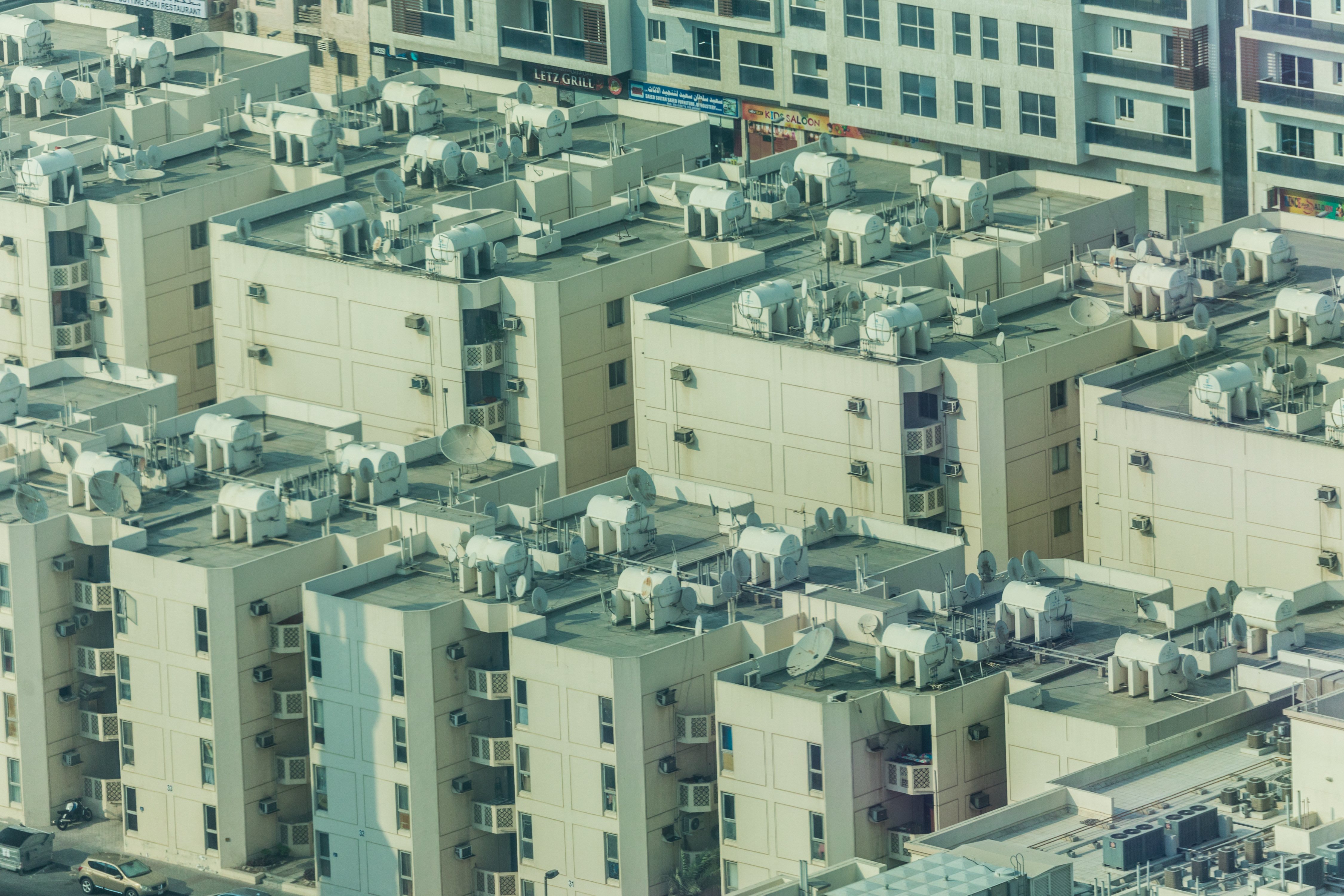
Modern cities grow as infrastructure meets rising demand while managing energy use and environmental impacts. In the United Arab Emirates, cooling is essential because high outdoor temperatures drive sustained demand for comfortable indoor environments in homes, offices, healthcare facilities, hotels, shopping centres, and public buildings. District cooling meets this demand through centralized production and distribution of chilled water. The development of this infrastructure, including the role of the national central cooling company Tabreed in the regional cooling sector, highlights the importance of planning, operational efficiency and long-term investment in urban utilities.
Rather than relying exclusively on individual cooling equipment in every building, a centralized network supplies chilled water to connected properties. This model can support coordinated energy management, improve equipment use, and integrate with wider urban planning. However, its effectiveness depends on suitable building density, sound engineering, reliable operations and careful consideration of environmental performance.
Understanding Centralized Cooling Infrastructure
How the system works
A central cooling facility uses industrial-scale equipment to remove heat from water. The system distributes chilled water through insulated underground pipes to connected buildings, where heat exchangers transfer cooling to internal air-conditioning systems. The water then returns to the plant for further cooling.
This arrangement separates chilled-water production from the building's internal distribution system. Building operators remain responsible for appropriate internal equipment, controls and maintenance, while the central facility manages the production and supply of cooling energy.
The design must account for peak demand, seasonal conditions, network length, pumping requirements and future development. Poorly coordinated planning can increase costs or reduce performance, making engineering assessments essential before construction begins.
Why urban density matters
Centralized cooling is generally most attractive where substantial cooling demand exists within a reasonably concentrated area. Residential towers, business districts, hospitals, universities, transport facilities and mixed-use developments may provide the consistent demand needed to justify the investment.
Developers and planners should therefore evaluate district cooling early in a project's design. Decisions about building layouts, utility corridors, plant locations, and connections can influence the network's long-term performance. Retrofitting a centralized system into an established neighbourhood may be more complicated than incorporating it during initial development.
Improving Energy Performance
Central production and equipment efficiency
Large cooling plants can accommodate industrial equipment selected for the expected demand profile. Properly designed chillers, pumps, heat exchangers and control systems can improve efficiency compared with poorly coordinated equipment operating independently across multiple properties.
Nevertheless, centralisation does not automatically guarantee lower energy consumption. Actual performance depends on plant efficiency, distribution losses, pumping energy, operating temperatures, maintenance quality and the efficiency of connected buildings. Meaningful comparisons should use consistent measures and account for the entire system, not just plant performance.
Thermal energy storage
Thermal energy storage can help balance cooling production and demand. One common approach is to produce chilled water when electricity demand or operating conditions are favourable and store it for later use. During high-demand periods, stored cooling can supplement the plant's output.
This can reduce pressure on equipment during peak periods and improve electricity demand management. The benefits depend on storage capacity, charging and discharging efficiency, operating schedules and local electricity tariffs.
Consider storage as part of an integrated design rather than a stand-alone sustainability measure. Its value is greatest when plant operations, customer demand and energy-management systems are coordinated effectively.
Environmental Considerations
Electricity consumption and emissions
Cooling infrastructure can shape a development's environmental footprint because electricity consumption is linked to greenhouse gas emissions when generation relies on fossil fuels. More efficient equipment, improved controls and lower distribution losses can reduce the electricity needed to deliver a given quantity of cooling.
The environmental outcome also depends on the electricity supply mix. Integrating renewable electricity or other suitable low-carbon energy sources can further reduce operational emissions, but organizations should measure the results using transparent methods.
For organizations assessing district cooling, it is important to distinguish between installed capacity, actual cooling delivered, electricity consumed and emissions avoided. These measures answer different questions and should not be treated as interchangeable indicators.
Water management
Water is another important consideration, particularly where cooling towers are used. Such systems can consume water through evaporation, blowdown and other operational processes. Water treatment, leakage control, appropriate cycles of concentration and regular monitoring can help improve resource efficiency.
Alternative configurations may have different water and electricity requirements. Consequently, assess cooling technologies based on local water availability, climate, equipment characteristics, and operational constraints. A solution that performs well in one location may not deliver the same overall benefits elsewhere.
Integration of renewable energy
Renewable energy can support the transition towards lower-carbon cooling. Depending on technical feasibility, a facility may use renewable electricity, solar technologies or other suitable energy sources. Geothermal energy may also be applicable where suitable underground heat resources are available.
Such integration requires detailed engineering, resource assessments and dependable operating arrangements. Environmental benefits should be supported by measured energy data and clearly defined reporting boundaries.
Reliability, Maintenance and Customer Performance
Designing for continuity
Cooling is a critical service for facilities such as hospitals, data centres, laboratories, and high-occupancy buildings. These environments may require carefully defined temperature conditions and dependable operating arrangements.
Reliability measures can include redundant equipment, backup electrical capacity, alternative pumping arrangements, appropriate network configurations and planned maintenance. The exact design should reflect the consequences of interruption and the needs of connected customers.
Monitoring and predictive maintenance
Digital monitoring can help operators identify unusual energy consumption, equipment vibration, pressure changes, temperature variations and other warning signs. When combined with maintenance records and engineering assessments, these observations can support earlier intervention.
However, digital systems are only useful when the information is accurate, and staff have procedures for responding to alerts. Cybersecurity, access controls, equipment calibration and contingency planning should form part of the operating framework.
Planning and Governance for Long-Term Success
Coordination between stakeholders
Developing centralized cooling involves developers, utility operators, local authorities, building managers, and customers. Clear agreements are needed to define connection requirements, service responsibilities, maintenance arrangements, metering and billing.
Organizations such as the national central cooling company Tabreed operate within a wider infrastructure environment where coordination and long-term planning are important to service delivery. The broader lesson is that utility planning must consider both technical requirements and the needs of the communities being served.
Measuring performance transparently
Useful indicators include electricity consumed per unit of cooling delivered, water consumption, plant availability, network losses, customer service interruptions and operational emissions. Results should be compared across equivalent periods and adjusted where relevant for weather and demand changes.
Independent reviews and clearly documented methods can improve confidence in reported outcomes. Sustainability statements should distinguish measured results from projections and avoid implying that centralized cooling eliminates environmental impacts.
Future Directions for Urban Cooling
Growing cities will require cooling infrastructure that can adapt to changing development patterns and increasing expectations for resource efficiency. Opportunities include improved automation, better thermal storage, renewable energy integration, more efficient equipment and closer coordination between building-management systems and central plants.
Future-ready infrastructure also requires flexibility. Plants and networks should be designed around realistic demand forecasts, phased expansion, and long-term operating-cost assessments. Overbuilding can tie up capital and increase inefficient operation, while insufficient capacity can compromise service reliability.
Final Thoughts
Centralized cooling can support more coordinated, efficient urban infrastructure when designed around local conditions and managed with measurable performance objectives. Its value depends on more than a plant's size or the number of connected buildings. Energy efficiency, water management, maintenance, customer requirements and transparent reporting all influence the final outcome.
For rapidly developing cities, the most effective approach is to integrate cooling into infrastructure planning from the start, evaluate environmental impacts across the entire system, and continually improve operational performance. With careful design and accountable management, centralized cooling can support comfortable buildings while contributing to more resilient and resource-conscious urban development.