Guest article
How Proper Event Staging and Décor Can Protect UAE
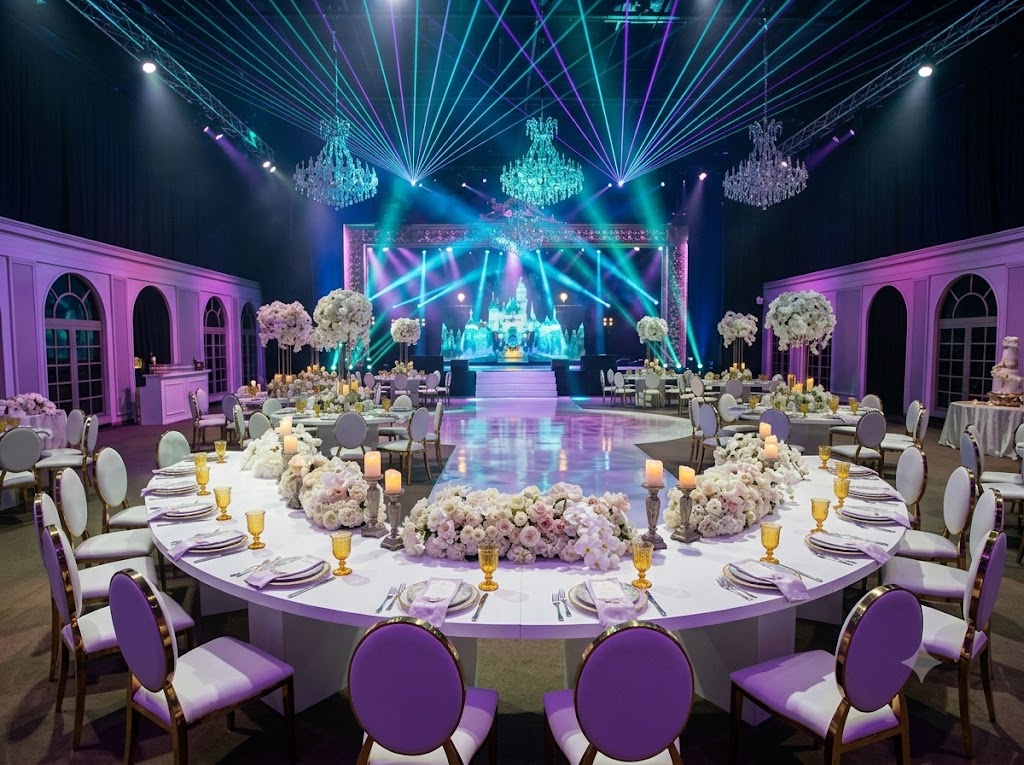
How Proper Event Staging and Décor Can Protect UAE Venues
Events can transform a venue in just a few hours. Stages, backdrops, lighting, furniture, decorative structures, exhibition displays, and temporary installations can completely change the appearance and function of a space.
However, creating an attractive event environment is not only about aesthetics. Poorly planned installations can also create problems for floors, walls, electrical systems, walkways, and other parts of a venue.
For hotels, offices, restaurants, halls, and other UAE properties that regularly host events, careful planning and professional installation can help protect the venue while creating an impressive experience for guests.
Here are several important considerations when preparing a venue for an event.
1. Plan the Venue Layout Before Installation
A successful event setup begins with understanding the venue.
Before bringing in staging, furniture, décor, or technical equipment, organizers should consider the size of the space, entrance points, emergency exits, electrical outlets, service areas, and guest movement.
A detailed layout can prevent unnecessary movement of heavy equipment and reduce the risk of blocking important access points.
It also helps suppliers understand where each installation needs to be positioned before setup begins.
2. Protect Floors During Equipment Installation
Event equipment can be heavy, particularly when a setup includes staging, LED screens, furniture, display structures, or large decorative elements.
Moving heavy items across floors without proper protection can result in scratches, dents, stains, or other damage.
Protective floor coverings can be used in areas where equipment needs to be transported or positioned. Staff should also use appropriate lifting and moving methods rather than dragging heavy structures across finished surfaces.
This is especially important in hotels and premium venues where flooring can be expensive to repair or replace.
3. Consider Walls and Existing Fixtures
Event décor often involves backdrops, signage, decorative structures, and temporary displays.
Before installing anything against walls or existing fixtures, the venue team should determine how the installation will be secured and whether it could damage painted surfaces, panels, doors, or other finishes.
Temporary installations should be designed so they can be removed without leaving unnecessary damage.
Good coordination between the venue and event production team can help avoid costly repairs after the event.
4. Keep Electrical Systems Safe and Organized
Lighting, sound systems, LED screens, charging stations, catering equipment, and other event technology can require significant electrical resources.
Cables should be planned before installation and positioned carefully to avoid creating trip hazards or interfering with venue operations.
Where cables cross guest pathways, suitable cable protection should be used. Electrical connections should also be handled by appropriately qualified personnel.
Avoid overloading outlets or using unsuitable extensions simply to accommodate a last-minute equipment requirement.
5. Maintain Clear Walkways and Emergency Exits
An attractive event setup should never compromise safe movement around the venue.
Decorative structures, furniture, equipment cases, and temporary displays should not obstruct emergency exits, fire equipment, access routes, or essential service areas.
Guest pathways should remain sufficiently clear, particularly around entrances, registration areas, dining spaces, and exits.
Before guests arrive, the entire setup should be inspected from the perspective of someone walking through the venue for the first time.
6. Use Temporary Structures That Suit the Venue
Not every stage, backdrop, display, or decorative installation is suitable for every location.
The height, width, weight, materials, and installation method should be considered before construction begins.
For customized setups, professional event staging and décor production can help create structures that fit the available space while maintaining a practical approach to installation and removal.
Custom-built elements can also help organizers make better use of unusual spaces without relying on oversized or unsuitable prefabricated structures.
7. Protect Walls and Surfaces During Decorative Installations
Decorative elements can include wooden displays, arches, panels, signage, floral structures, branded installations, and themed props.
While these features can dramatically improve a venue's appearance, they should be installed with consideration for the existing property.
Avoid unnecessary drilling, permanent adhesives, or other methods that may damage walls and surfaces unless the venue has specifically approved them.
Where possible, freestanding or appropriately secured temporary structures can provide a more practical solution.
8. Consider Lighting Placement Carefully
Event lighting can completely change the atmosphere of a venue, but the placement of lighting equipment requires careful planning.
Fixtures should be positioned securely and kept away from areas where guests could accidentally knock them over.
Cables should be organized and protected, while heat-producing equipment should be positioned appropriately to avoid affecting nearby materials.
Lighting should also complement the venue rather than create unnecessary glare or uncomfortable conditions for guests.
9. Coordinate Setup and Removal Times
Venue protection does not end when the event begins.
The process of dismantling stages, furniture, lighting, décor, and technical equipment can create just as much risk as the original installation.
A clear removal schedule helps prevent rushed work, especially when several suppliers are working in the same area.
Equipment should be removed systematically, with heavy structures handled carefully and the venue checked for damage after dismantling.
10. Inspect the Venue Before and After the Event
A simple inspection can help identify potential problems early.
Before setup, venue representatives and event teams can document the condition of floors, walls, fixtures, electrical areas, and other important surfaces.
After the event, another inspection can confirm that everything has been removed properly and that the venue has been returned to its original condition.
Taking photographs before and after installation can also provide a useful record for venue managers and suppliers.
11. Plan for UAE Weather Conditions During Outdoor Events
Outdoor events in the UAE can present additional challenges.
High temperatures, strong sunlight, dust, humidity, and occasional wind can affect temporary structures, decorative materials, electrical equipment, and guest comfort.
Outdoor installations should therefore be selected and secured according to the conditions of the location.
Equipment should also be protected from unnecessary exposure to heat, dust, and moisture where appropriate.
For larger outdoor setups, professional assessment and proper installation are particularly important.
12. Choose Materials That Suit the Event Environment
The materials used for temporary décor and event structures should be appropriate for their intended location and duration.
Lightweight decorative elements may work well in some situations, while larger installations may require stronger structural materials and professional fabrication.
The appearance of a material is only one consideration. Durability, stability, transportation, installation, removal, and storage should also be considered during the planning stage.
13. Coordinate With Venue Maintenance Teams
Event organizers should communicate with the venue's maintenance or facilities team before installation begins.
Maintenance staff can identify important building systems, access restrictions, electrical limitations, sensitive surfaces, and areas that require additional protection.
This cooperation can prevent misunderstandings and reduce the chance of accidental damage.
For venues that host events frequently, developing a standard setup and maintenance procedure can make future events easier to manage.
14. Avoid Last-Minute Structural Changes
Last-minute changes are common in event production, but significant changes made immediately before an event can create unnecessary risks.
Moving a stage, changing the position of large décor, adding equipment, or altering cable routes without proper planning can affect guest flow and venue safety.
Whenever possible, changes should be reviewed before installation rather than during the final stages of setup.
A few minutes of additional planning can prevent hours of troubleshooting later.
15. Make Venue Protection Part of Event Planning
Event design and venue maintenance should not be treated as completely separate responsibilities.
A successful event combines visual creativity with practical planning.
The best setups consider the guest experience while also protecting the property, maintaining safe access, managing equipment correctly, and allowing the venue to return to normal operations efficiently after the event.
Final Thoughts
Professional event design can dramatically improve the appearance and atmosphere of a venue, but successful event production requires more than attractive décor.
Careful planning, appropriate materials, secure installations, organized electrical systems, protected surfaces, and clear communication with venue maintenance teams can help reduce the risk of property damage and operational problems.
For hotels, offices, restaurants, event halls, and other UAE venues, treating venue protection as part of the event planning process can create a smoother experience for both guests and property managers.
A well-designed event should leave guests with great memories—not the venue maintenance team with a long repair list.