Guest article
A Complete Guide to Organising and Equipping Your Kitchen in the UAE
Planning a Functional Kitchen in Dubai: Storage, Layout and Essential Kitchenware
A kitchen is one of the most important spaces in any home. Whether you live in an apartment or a villa in Dubai, a well-planned kitchen can make everyday cooking, cleaning and storage much easier. However, creating a functional kitchen involves more than selecting attractive cabinets and countertops. Layout, ventilation, lighting, storage solutions and the right kitchen equipment all contribute to a practical space.
When planning a new kitchen or upgrading an existing one, homeowners should consider how the space will be used, how much storage is required and which products are genuinely necessary.
Here are some practical considerations for creating a more organised and functional kitchen.
1. Start With a Practical Kitchen Layout
The layout determines how comfortably people can move around and perform everyday tasks. Before installing cabinets or purchasing appliances, consider the available floor space and the location of essential connections.
The sink, cooking area and refrigerator should be arranged to make food preparation convenient. There should also be enough countertop space for chopping, preparing ingredients and placing kitchen equipment.
In smaller apartments, a simple and efficient layout can make a significant difference. Avoid overcrowding the kitchen with unnecessary furniture or appliances that restrict movement.
2. Make the Most of Available Storage
Storage is an important consideration, particularly in apartments where kitchen space may be limited. Poorly organised cabinets can make it difficult to locate utensils, cookware and food preparation equipment.
Consider incorporating:
Pull-out drawers for frequently used utensils.
Vertical dividers for trays and chopping boards.
Dedicated shelves for pots, pans and cookware sets.
Organisers for cutlery and smaller kitchen tools.
Separate storage areas for cleaning products and household supplies.
It is also useful to organise items according to how frequently they are used. Everyday cooking essentials should remain easily accessible, while occasional-use equipment can be stored in higher cabinets or less frequently accessed areas.
3. Choose Suitable Kitchen Materials
Kitchen surfaces experience regular exposure to heat, moisture, food spills and cleaning products. Therefore, material selection should be based on durability, maintenance and suitability for the intended use.
When choosing countertops, cabinets and flooring, consider how easily the materials can be cleaned and whether they are suitable for a kitchen environment.
For example, surfaces around sinks and cooking areas should be selected with moisture and heat exposure in mind. Cabinet finishes should also be easy to maintain.
Before making a purchase, review the manufacturer's specifications and installation recommendations rather than selecting materials based on appearance alone.
4. Give Proper Attention to Ventilation
Cooking produces heat, steam, grease particles and odours. Without suitable ventilation, these can accumulate inside the kitchen and affect indoor comfort.
A properly selected and installed kitchen extractor hood can help remove cooking fumes and grease from the air. Its size, extraction capacity and installation requirements should be considered in relation to the cooking area.
Regular cleaning of extractor filters is also important. Grease accumulation can reduce performance and make maintenance more difficult.
Where additional ventilation or electrical work is required, consult a qualified professional to ensure the installation is appropriate for the property.
5. Select Kitchenware According to Your Cooking Habits
Once the layout and storage arrangements are planned, the next step is selecting suitable kitchenware. Buying products according to actual cooking requirements can help prevent unnecessary spending and storage problems.
Some commonly used kitchen essentials include:
Cookware: Frying pans, saucepans, casseroles, cooking pots and cookware sets are useful for preparing different types of meals.
Pressure cookers: These can be useful for preparing suitable foods more efficiently. Buyers should check the capacity, material, safety features and manufacturer's operating instructions.
Kitchen tools: Cutting boards, colanders, strainers, rolling pins and food preparation tools support everyday cooking tasks.
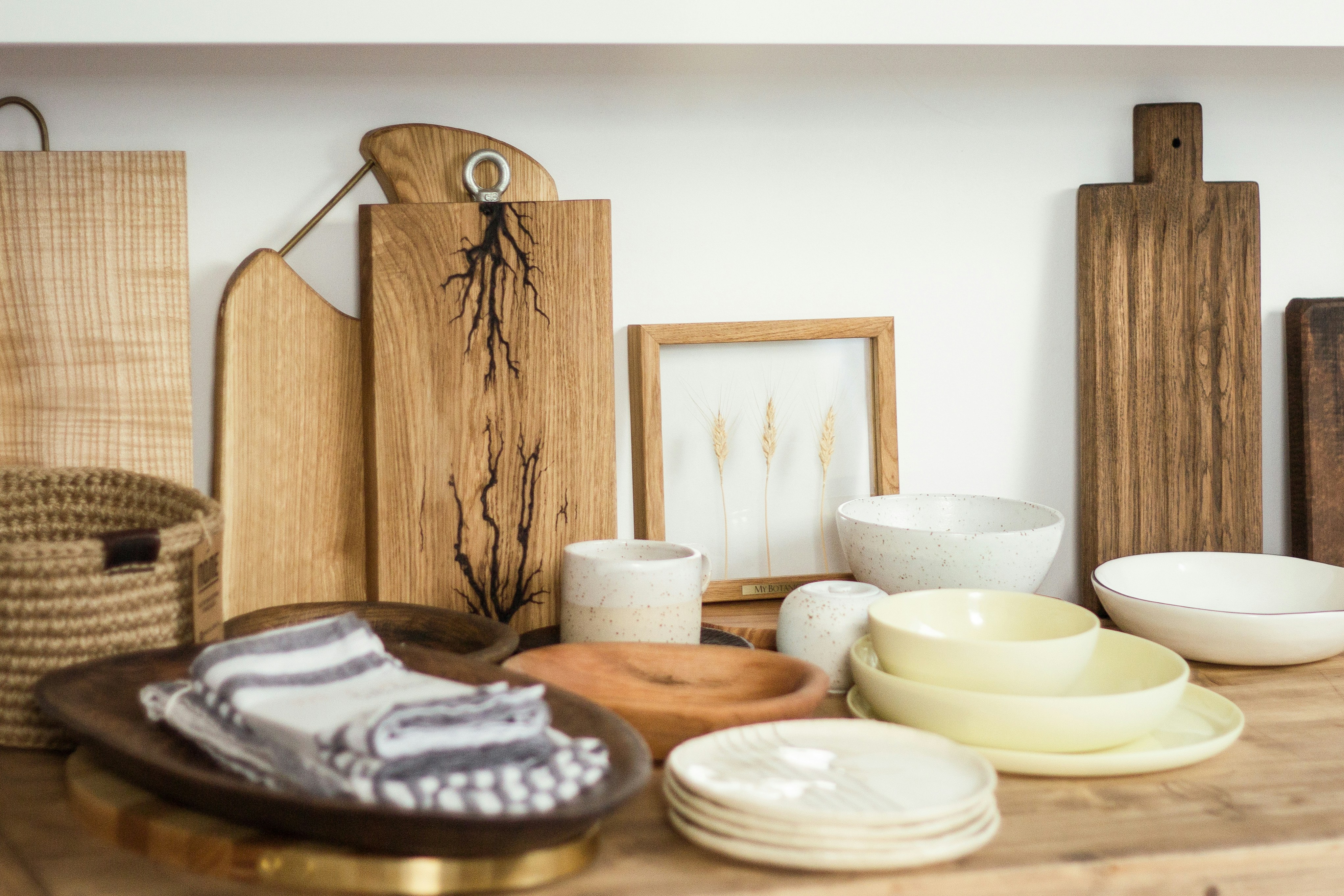
Dinnerware and serveware: Plates, bowls, serving trays and other dining essentials help organise everyday meals and family gatherings.
Cutlery and flatware: Spoons, forks, knives and serving utensils are basic requirements for most households.
When selecting cookware, consider material, dimensions, weight, maintenance requirements and compatibility with your cooking appliance.
6. Keep the Kitchen Organised and Easy to Maintain
A functional kitchen should be easy to clean and maintain. Too many products on countertops can make food preparation difficult and create unnecessary clutter.
Store frequently used equipment in accessible locations and return items to their designated spaces after use. Keep cleaning supplies separate from food and cooking equipment.
It is also helpful to review kitchen storage periodically. Removing unused or damaged utensils creates additional space and makes it easier to maintain an organised environment.
7. Consider Your Budget Before Upgrading
Kitchen renovation costs can vary depending on the size of the property, materials, labour and the extent of the work involved.
Prepare a list of essential improvements before starting a project. Separate major requirements, such as cabinets, plumbing, electrical work and ventilation, from smaller purchases like utensils and dining accessories.
When comparing suppliers, request clear quotations and check what is included. For kitchenware purchases, compare product specifications, quantities and prices rather than choosing solely on the lowest advertised cost.
Planning purchases in stages can also help homeowners manage their budgets without compromising essential requirements.
8. Where to Find Kitchenware and Cooking Essentials in the UAE
Homeowners looking to equip a new or renovated kitchen can explore different retail options across the UAE. Online stores make it easier to compare cookware, pressure cookers, dinnerware, cutlery and kitchen tools before purchasing.
One option is AtoZ Trade, a UAE-based cookware and kitchenware retailer offering products for individual households as well as bulk requirements. Its range includes cookware, pressure cookers, dinnerware, serveware and kitchen accessories.
Before ordering, buyers should review product descriptions, available sizes, material details and delivery information to ensure that the selected products meet their requirements.
Conclusion
Creating a functional kitchen requires careful planning, from selecting a practical layout and suitable materials to organising storage and choosing the right cooking equipment.
For homeowners in Dubai, considering these details before renovating or upgrading a kitchen can help avoid unnecessary expenses and make better use of available space.
A well-organised kitchen does not necessarily need expensive additions. Practical storage, suitable ventilation, easy-to-maintain surfaces and carefully selected kitchenware can make everyday cooking more convenient and comfortable.