Guest article
Modern Lighting Trends for Dubai Interiors
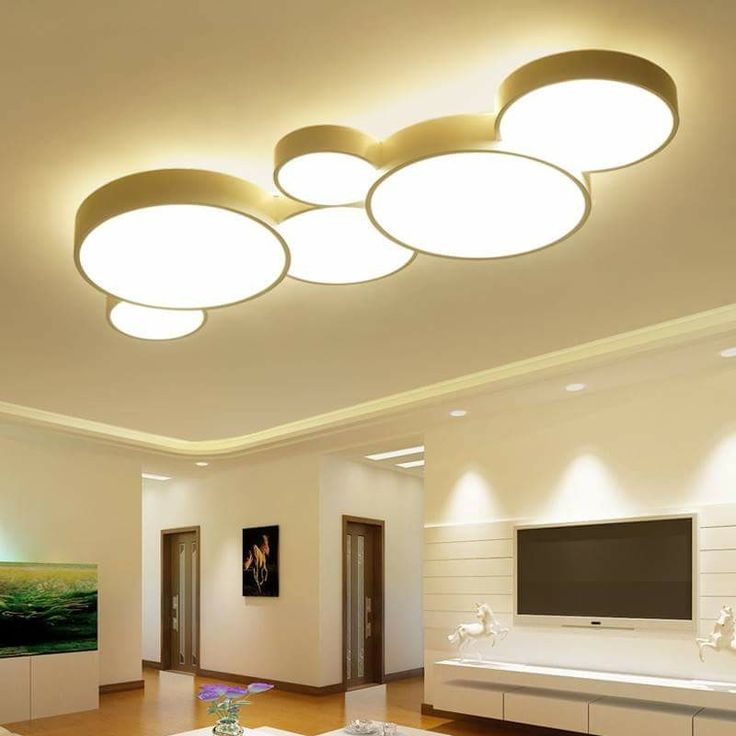
Lighting has become an important part of interior design in Dubai, where residential spaces increasingly combine architectural sophistication with everyday comfort. From spacious villas to contemporary city apartments, homeowners are looking beyond basic illumination and exploring ways to make lighting an integral part of their interiors.
Modern lighting design is no longer limited to selecting attractive fixtures. It involves understanding how brightness, colour temperature, positioning and visual proportions influence an entire room. A carefully planned arrangement can highlight architectural details, establish a relaxing atmosphere and improve the functionality of different living areas.
As interior preferences evolve, several lighting trends are shaping the appearance of modern homes across the emirate.
Sculptural Fixtures as Interior Focal Points
One noticeable development is the growing popularity of lighting that functions as a decorative centrepiece. Instead of blending completely into the background, contemporary fixtures often introduce interesting shapes, materials and dimensions.
Geometric and Artistic Designs
Geometric arrangements, asymmetrical structures and sculptural silhouettes are increasingly suitable for modern living rooms and dining spaces. These designs introduce visual interest without requiring excessive decoration elsewhere.
Homeowners exploring different collections at Chandelier Shops In Dubai can consider how a fixture complements the ceiling height, furniture arrangement and architectural character of their property.
A statement installation works particularly well above dining tables, in double-height entrances and within spacious reception areas. The important consideration is proportion. An oversized design may overwhelm a compact room, while a small fixture can appear insignificant in a large interior.
Warm Illumination for Comfortable Living
The preference for comfortable residential environments has encouraged a move towards warmer lighting temperatures.
Creating a Relaxing Atmosphere
Warm white illumination is particularly effective in bedrooms, lounges and family areas. It creates a softer visual experience than extremely cool lighting, helping residential spaces feel welcoming during the evening.
Layering different light sources also provides greater control. Rather than depending on one powerful ceiling fixture, homeowners can combine general illumination with smaller decorative fittings and indirect sources.
This approach makes it possible to adjust the atmosphere according to the activity taking place. A brighter arrangement may be appropriate during family gatherings, while subdued illumination can support a quieter evening.
Smart Lighting and Greater Control
Technology is influencing how residential illumination is managed. Smart switches, dimmable systems, automated schedules and adjustable colour temperatures allow homeowners to personalise their surroundings.
Different lighting scenes can be configured for morning routines, working hours, entertaining and relaxation. This provides convenience while reducing the need to operate multiple switches individually.
Automation should remain practical. Controls must be straightforward, compatible with the installed electrical system and easy for household members to understand.
Lighting That Complements Dubai's Architecture
Dubai properties feature a wide variety of architectural styles. Some interiors have expansive glazing and open layouts, while others incorporate traditional decorative details and carefully defined spaces.
Lighting should respond to these differences rather than follow trends without consideration.
In rooms with high ceilings, suspended installations can introduce scale and visual balance. In smaller apartments, recessed fittings and concealed illumination may preserve a clean appearance.
Natural daylight should also influence fixture selection. Rooms receiving substantial sunlight may require a different arrangement from spaces with limited exterior exposure.
Natural Materials and Refined Finishes
Another emerging direction involves incorporating materials that complement the surrounding interior palette.
Brushed metal, glass, ceramic, natural stone and textured finishes offer different visual characteristics. Their suitability depends on the furniture, wall finishes and overall design direction.
For example, metallic details can introduce subtle contrast into neutral interiors, while translucent materials help distribute light without creating an excessively heavy appearance.
Small Fixtures With Decorative Value
Decorative accessories also contribute to the lighting arrangement. A carefully positioned Table Lamp/مصباح طاولة can create a comfortable reading corner, highlight a console arrangement or introduce additional illumination beside a sofa.
The advantage of portable lighting is flexibility. Unlike permanently installed fittings, these accessories can be repositioned when furniture layouts or decorative preferences change.
Conclusion
Modern residential lighting is moving towards thoughtful combinations of design, functionality and technology. Sculptural fixtures, warm illumination, natural materials and intelligent controls are helping homeowners create environments that feel visually balanced and comfortable.
The most successful approach is to consider lighting during the wider interior planning process rather than treating it as a finishing detail. When every fixture has a clear purpose, the result is a home where architectural features, furniture and illumination work together naturally.