Guest article
Quality Medical Equipment Company in Deira for Healthcare Needs
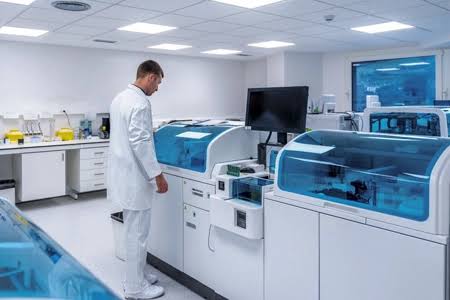
The healthcare industry depends on reliable medical equipment to provide safe, efficient, and high-quality patient care. Hospitals, clinics, laboratories, diagnostic centers, and other healthcare facilities require advanced medical products to support their daily operations. Choosing the right supplier is therefore an important decision for healthcare professionals. A quality medical equipment company in Deira can help healthcare providers access dependable equipment, essential medical supplies, and professional support to maintain high standards of patient care.
Deira is one of Dubai's established commercial areas, offering access to various businesses and healthcare-related suppliers. Medical facilities looking for reliable products can explore suppliers in this area to find equipment that meets their operational requirements, quality expectations, and budget considerations.
Importance of Choosing a Quality Medical Equipment Company
Medical equipment plays an essential role in diagnosing health conditions, monitoring patients, supporting medical procedures, and delivering treatment. Healthcare professionals depend on accurate and properly functioning devices to make informed decisions and provide effective care.
Working with a quality medical equipment company in Deira offers several advantages. A dependable supplier understands the requirements of different healthcare facilities and helps customers identify suitable products for their specific needs.
Quality suppliers focus on providing products from reputable manufacturers, maintaining appropriate product documentation, and offering guidance during the purchasing process. They can also help healthcare providers understand equipment specifications, technical requirements, and maintenance considerations.
Selecting the right company can improve purchasing efficiency, reduce unnecessary equipment replacement, and support the long-term performance of medical facilities.
Wide Range of Medical Equipment and Supplies
Healthcare facilities require different types of medical equipment depending on their services and specialties. A professional supplier should offer access to a comprehensive selection of products to support hospitals, clinics, laboratories, and diagnostic centers.
1. Hospital Medical Equipment
Hospitals require specialized equipment for emergency departments, intensive care units, operating theaters, and general patient-care areas. Common hospital equipment includes patient monitors, hospital beds, infusion pumps, oxygen-related equipment, suction machines, and medical trolleys.
Reliable hospital equipment helps healthcare professionals monitor patients, support medical procedures, and maintain organised clinical environments. When purchasing these products, hospitals should consider performance, safety features, durability, and compatibility with their existing systems.
2. Diagnostic and Monitoring Equipment
Accurate diagnosis is an important part of effective healthcare. Diagnostic equipment helps medical professionals examine patients and identify possible health conditions.
Common diagnostic and monitoring products include:
Digital blood pressure monitors
Pulse oximeters
Thermometers
ECG machines
Patient monitoring systems
Ultrasound equipment
Blood glucose monitoring devices
Healthcare providers should select diagnostic equipment based on accuracy, usability, technical specifications, and intended clinical applications.
3. Laboratory Equipment
Medical laboratories require specialised instruments to perform diagnostic tests and analyse patient samples. Reliable laboratory equipment supports accurate testing and efficient laboratory operations.
Common laboratory products include microscopes, centrifuges, laboratory refrigerators, analytical instruments, sample containers, and testing equipment.
A dependable medical supplier can help laboratories identify suitable products according to their testing requirements, available space, and operational needs.
4. Medical Consumables and Disposable Products
Medical consumables are essential for everyday healthcare activities. Hospitals, clinics, and laboratories use disposable products to support hygiene, infection prevention, and patient safety.
Frequently required consumables include examination gloves, surgical masks, syringes, needles, bandages, wound dressings, disposable gowns, and other medical supplies.
Healthcare facilities benefit from suppliers that maintain consistent product availability and provide suitable options for regular purchasing requirements.
5. Medical Furniture and Patient-Care Equipment
Medical furniture contributes to patient comfort and the efficient organisation of healthcare facilities. Hospitals and clinics require durable furniture designed for regular clinical use.
Important products include examination tables, hospital beds, bedside cabinets, treatment chairs, medical stools, waiting-room furniture, and examination lights.
Choosing suitable furniture helps healthcare providers create comfortable, practical, and professional medical environments.
Factors to Consider When Selecting a Medical Equipment Supplier
Choosing a medical equipment supplier requires careful evaluation. Healthcare organisations should consider more than product prices when making purchasing decisions.
Product Quality and Reliability
Product quality should be a primary consideration. Healthcare facilities should look for equipment from reputable manufacturers and review relevant technical specifications. Depending on the product, documentation, applicable certifications, and regulatory compliance should also be checked.
Product Variety
A supplier offering different categories of medical equipment can make purchasing more convenient. Access to diagnostic devices, hospital equipment, medical furniture, instruments, and consumables allows healthcare providers to manage multiple requirements efficiently.
Competitive Pricing
Budget management is important for hospitals, clinics, and other healthcare businesses. However, choosing equipment based only on the lowest price may lead to additional expenses in the future. Buyers should compare product quality, warranty coverage, expected lifespan, and after-sales support before making a decision.
Technical Guidance
Medical equipment often requires an understanding of technical specifications, installation requirements, and operating procedures. A professional supplier should provide clear product information and help customers understand the available options.
After-Sales Support
Maintenance and technical assistance are important for equipment performance. Before purchasing, healthcare facilities should ask about warranty terms, repair services, spare-part availability, and technical support.
Supporting Modern Healthcare Facilities in Dubai
Dubai's healthcare sector continues to develop, creating demand for modern medical technology and dependable healthcare supplies. Hospitals, specialised clinics, diagnostic centres, and laboratories need equipment that supports efficient operations and quality patient services.
Modern medical devices can improve workflow, support accurate monitoring, and help healthcare professionals manage different clinical responsibilities.
For example, advanced patient monitoring systems help medical teams observe important patient measurements. Digital diagnostic equipment supports efficient examinations, while modern laboratory instruments assist with testing procedures.
A quality medical equipment company in Deira can contribute to these requirements by helping healthcare organisations access appropriate products and understand their features.
Healthcare providers should also consider future requirements when purchasing equipment. Selecting products that can accommodate changing operational needs may help reduce the need for frequent replacements or upgrades.
Why Choose medeonmed for Medical Equipment Needs?
When searching for dependable healthcare products, choosing a supplier that understands different medical requirements is important. medeonmed is a relevant name for healthcare organisations exploring medical equipment and supply solutions.
Healthcare providers looking for medical devices, hospital equipment, diagnostic products, medical instruments, furniture, and consumables should focus on finding products that match their specific clinical and operational needs.
A reliable purchasing approach includes comparing product specifications, checking quality documentation, understanding warranty conditions, and confirming availability before placing an order.
Whether a healthcare facility needs essential medical supplies or specialised equipment, careful product selection can support efficient operations and better-organised patient-care environments.
Conclusion
Finding a quality medical equipment company in Deira for healthcare needs is important for hospitals, clinics, laboratories, and other medical facilities. Reliable equipment supports accurate diagnosis, effective patient monitoring, safe medical procedures, and efficient healthcare operations.
By considering product quality, equipment variety, competitive pricing, technical guidance, and after-sales support, healthcare organisations can make informed purchasing decisions. Deira offers access to an established commercial environment where buyers can explore medical equipment and healthcare supply options.
Choosing suitable products from dependable suppliers can help healthcare facilities maintain professional standards, improve operational efficiency, and meet their changing medical requirements.