Guest article
Screen Printing Made Simple: A Beginner's Guide to Custom T-Shirts and Merchandise
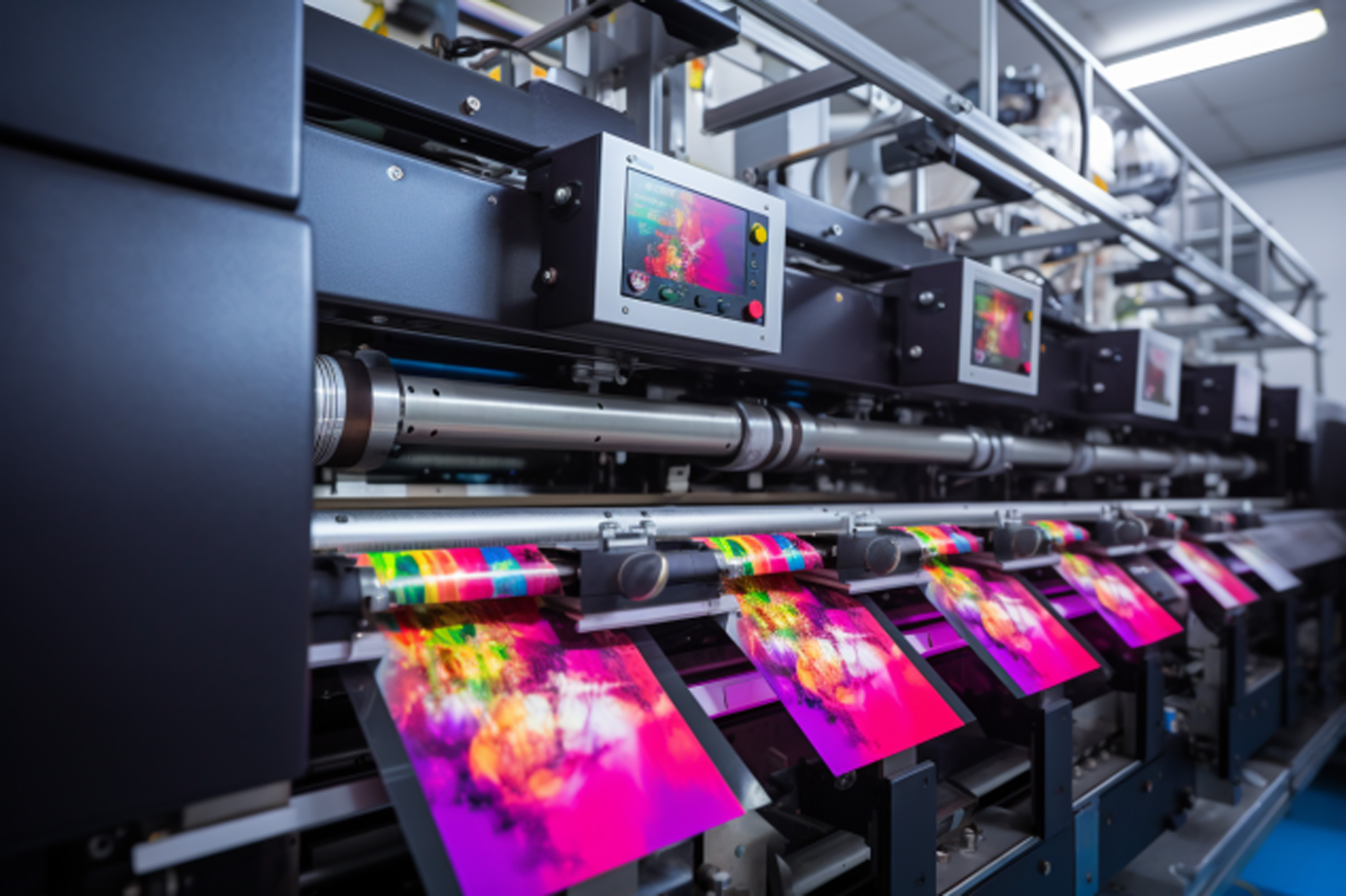
If you have ever owned an event t-shirt whose colours stayed bold after dozens of washes, there is a good chance it was screen printed. It is one of the oldest and most trusted ways to put a design onto fabric, and it is still the first choice for team uniforms, promotional giveaways and branded merchandise. Many business owners searching for screen printing Dubai options feel unsure where to begin, which fabrics to pick or how many pieces to order. Working with a reliable printing shop sharjah team can make the process far easier, but it helps to understand the basics before you place your first order. This guide explains how screen printing works, what affects the final result and how to plan a project that looks great and lasts.
What Screen Printing Actually Is
Screen printing is a method of pushing ink through a fine mesh onto a surface. The mesh is stretched tightly over a frame, and parts of it are blocked off with a stencil. Wherever the mesh stays open, ink passes through. Wherever it is blocked, the surface stays clean. A rubber blade called a squeegee is pulled across the screen to press the ink down evenly.
Each colour in a design needs its own screen. A simple one-colour logo needs a single screen, while a design with four colours needs four screens that are lined up carefully so every colour lands in exactly the right spot. This lining-up process is called registration, and it is one of the skills that separates a clean print from a messy one.
Why It Has Lasted So Long
Screen printing has been around for centuries, and it has survived the arrival of digital printers for a simple reason: it lays down a thick, rich layer of ink. That layer sits on top of the fabric or soaks slightly into it, giving colours a depth and brightness that is hard to match. It also holds up well in the wash, which matters a great deal for clothing that will be worn often.
Where Screen Printing Works Best
Screen printing is not only for t-shirts. It works on a wide range of flat or gently curved surfaces. Common uses include:
· Cotton and cotton-blend t-shirts, hoodies and polo shirts
· Canvas tote bags and shopping bags
· Caps, aprons and work uniforms
· Posters, signs and printed panels
· Some types of packaging, stickers and promotional items
The method shines when you need many identical pieces. Once the screens are made, printing each extra item is quick, so the cost per piece drops as the quantity rises. This is why schools, sports clubs, restaurants, event organisers and corporate teams rely on it for bulk orders.
When Another Method Might Be Better
If you only need two or three shirts, or if your design is a detailed photograph with thousands of colours, screen printing may not be the most practical choice. Setting up screens takes time, and it makes little sense for a single piece. In those cases, direct-to-garment printing or heat transfer can be a better fit. A good print partner will be honest about which method suits your job.
The Screen Printing Process Step by Step
Understanding the steps helps you see why timelines and prices vary from one job to another.
Step One: Preparing the Artwork
Everything starts with your design. The artwork is separated into individual colours, and each colour becomes its own film or digital positive. Clean, high-resolution files make this step faster and more accurate. Vector files such as AI, EPS or PDF are ideal because they can be scaled without losing sharpness.
Step Two: Making the Screens
Each screen is coated with a light-sensitive emulsion. The film for one colour is placed on top, and the screen is exposed to strong light. The light hardens the emulsion everywhere except where the design blocks it. The unhardened areas are washed away, leaving an open stencil in the shape of that colour.
Step Three: Setting Up the Press
The screens are mounted on a press, which may be manual or automatic. The printer lines each screen up so every colour meets the others perfectly. Test prints are usually made on scrap material first to check alignment and ink coverage.
Step Four: Printing and Curing
The garment is placed on a flat board called a platen. Ink is poured onto the screen, and the squeegee pulls it across. For multi-colour designs, the garment moves from screen to screen. After printing, the ink is cured with heat, usually in a conveyor dryer. Curing is essential because it bonds the ink to the fabric so it does not crack or wash out.
Choosing the Right Fabric
The fabric you choose has a big effect on how your print looks and feels.
Cotton
One hundred percent cotton is the classic choice. It absorbs ink well, feels comfortable and gives sharp, bright results. It is a safe option for most first-time orders.
Cotton Blends
Blends of cotton and polyester are softer, shrink less and often last longer. They print well, though very bright inks may need a special formula to avoid a faded look on darker blends.
Polyester and Performance Fabrics
Sports jerseys and moisture-wicking shirts are often made from polyester. These fabrics need low-cure inks, because high heat can cause the dye in the fabric to bleed into the print. Mention the fabric type early so the right inks can be prepared.
Understanding Ink Types
Not all inks behave the same way. The two most common are plastisol and water-based ink.
Plastisol Ink
Plastisol is thick and opaque. It sits on top of the fabric and gives very bright colours, even on dark shirts. It is durable and forgiving to work with, which is why it is used so widely.
Water-Based Ink
Water-based ink soaks into the fibres instead of sitting on top. The result is a softer print you can barely feel when you touch it. It works best on light-coloured cotton and is often chosen by brands that want a premium, vintage feel.
Specialty Inks
For something different, you can explore metallic, glow-in-the-dark, puff or glitter inks. These add texture and personality but may raise the cost slightly. They are a great way to make merchandise stand out at events.
How to Plan a Successful Order
A little planning goes a long way. Before you contact a print provider, think through these points.
Know Your Quantity
Screen printing becomes more cost-effective as numbers increase. Decide how many pieces you need and whether you might reorder later. Keeping the screens or artwork on file can save time on repeat orders.
Limit the Number of Colours
Every colour adds a screen and a setup step. A design with two or three strong colours often looks cleaner and costs less than one with eight. Simple, bold designs also read better from a distance, which is useful for uniforms and event wear.
Think About Print Placement
Common placements include the centre chest, left chest, full back, sleeve and back of the neck. Each placement has a recommended size range. A left-chest logo, for example, is usually around 8 to 10 centimetres wide. Ask for a mock-up so you can see the placement before printing starts.
Plan Your Sizes
Collect sizes from your team or estimate a sensible spread for giveaways. Running short of popular sizes is one of the most common problems with event merchandise. A typical spread leans towards medium and large, with fewer small and extra-large pieces.
Allow Enough Time
Rushed jobs leave little room for proofs and corrections. For most orders, give yourself at least one to two weeks, and more if you need special inks or a large quantity. If your event date is fixed, share it at the start.
Caring for Screen Printed Items
Good care keeps prints looking fresh for years. Share these tips with your team or customers:
· Turn garments inside out before washing
· Wash in cold or lukewarm water
· Avoid bleach and harsh detergents
· Tumble dry on low or hang to dry
· Never iron directly on the printed area
These simple habits protect the ink layer and prevent cracking or fading.
Common Mistakes to Avoid
Even experienced buyers can make small errors that affect the result. Watch out for these:
· Sending low-resolution images taken from a website or social media
· Choosing ink colours that disappear on the chosen shirt colour
· Forgetting to confirm fabric type before ink is mixed
· Approving a proof without checking spelling and dates
· Leaving the order until the last minute before an event
Taking a few extra minutes to review your proof can save you from reprinting an entire batch.
Questions to Ask Before You Order
Before you confirm a job, a short conversation with your print provider can answer most doubts. When you speak to teams offering screen printing dubai services, consider asking:
· Can I see a physical sample of a similar print on the same fabric?
· Which ink type do you recommend for my shirt colour?
· How many days do you need for proofs, printing and curing?
· Is there a minimum order, and how does the price change at higher quantities?
· Will you keep my screens or artwork on file for reorders?
Clear answers to these questions show that a provider takes quality seriously. Many buyers also like to visit a printing shop sharjah in person to feel the fabric, compare ink finishes and meet the people who will handle their order.
Why Local Expertise Matters
Working with a nearby provider has practical benefits. You can visit to see fabric samples, check print quality in person and collect finished items quickly. Local teams also understand regional demands, such as breathable fabrics for hot weather and fast turnaround during busy seasons like national holidays and major exhibitions. Businesses comparing screen printing dubai providers often find that clear communication and sample prints matter just as much as price.
A trusted printing shop sharjah partner can guide you on fabric, ink and design choices, flag problems before they become costly and keep your brand colours consistent across every order. That kind of support is especially valuable for first-time buyers who are still learning the process.
Final Thoughts
Screen printing remains one of the best ways to create durable, colourful and professional-looking merchandise. When you understand how screens, inks and fabrics work together, you can make smarter decisions about your design, budget and timeline. Start with clean artwork, keep your colour count sensible and give yourself enough time for proofs. If you are exploring screen printing dubai services for your next event or uniform order, ask for samples and a mock-up before you commit. And when you want dependable advice from people who handle these jobs every day, a skilled printing shop Sharjah team can help turn your idea into merchandise you will be proud to share.