Guest article
Smart Home Automation During Villa Renovation in Dubai
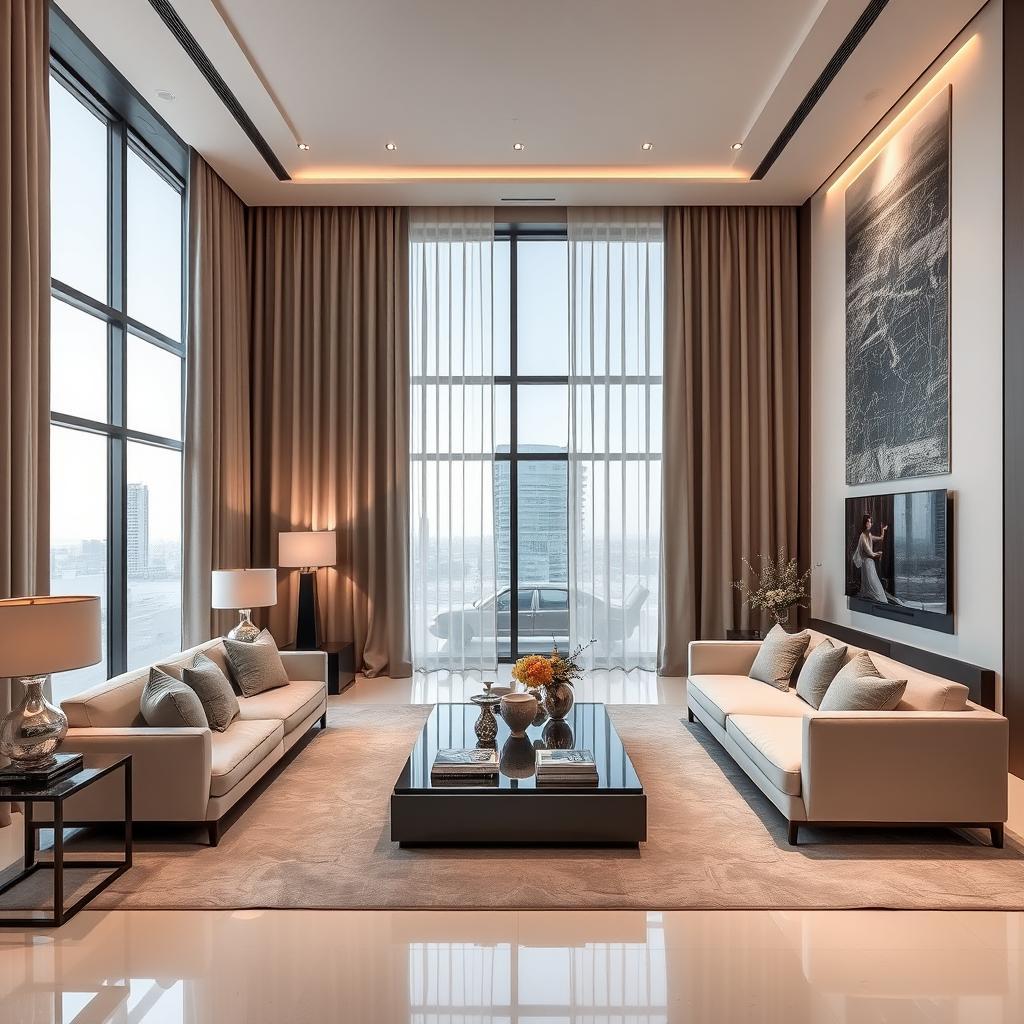
Smart Home Automation During Villa Renovation in Dubai: A Practical Homeowner's Guide
Renovating a villa in Dubai offers an opportunity to improve comfort, convenience and energy management through modern technology. Beyond upgrading flooring, lighting fixtures and interiors, homeowners can also introduce intelligent controls for air conditioning, curtains, lighting and entertainment.
Planning smart home technology before renovation begins can reduce unnecessary construction changes and help different contractors work together.
For homeowners exploring the available technologies, this complete guide to home automation in Dubai explains smart home systems, KNX, Lutron lighting, security and home entertainment integration.
Here are the main considerations when adding automation to a villa renovation project.
1. Start Smart Home Planning Before Electrical Renovation
Electrical planning is one of the most important stages of a villa renovation.
Many automation systems require additional cabling, control modules or dedicated equipment locations.
If these requirements are identified after walls and ceilings are finished, installation may become more disruptive and expensive.
Before electrical work begins, homeowners should identify which rooms need automated lighting, climate control, curtains and entertainment systems.
These requirements should be discussed with the electrical contractor, interior designer and automation integrator.
Early coordination can help ensure that suitable power provisions and communication infrastructure are installed.
2. Choose Between Wired and Wireless Automation
Wired and wireless smart home systems offer different advantages.
Wired technologies may be suitable for extensive villa renovations where electrical infrastructure is being replaced.
They allow communication cabling and control equipment to be incorporated into the construction process.
Wireless automation may be more practical when homeowners want to retain existing electrical wiring.
However, wireless performance depends on device compatibility, signal coverage and network conditions.
Some properties benefit from a hybrid approach that combines wired infrastructure with selected wireless controls.
The right choice depends on the renovation scope, budget and desired functions.
3. Consider KNX for Larger Villa Projects
KNX is an international standard used for home and building automation.
It allows compatible devices from different manufacturers to communicate through a standardized system.
For larger villas, KNX can support integrated control of lighting, shading and selected climate functions.
During renovation, the necessary communication cabling and equipment locations can be planned alongside electrical work.
However, KNX requires appropriate technical design, programming and commissioning.
Homeowners should also request relevant system documentation and configuration backups.
4. Plan Smart Lighting Around Everyday Activities
Smart lighting can improve convenience by allowing residents to control multiple lighting circuits through personalized scenes.
For example, a living room may have separate lighting settings for entertaining, reading and watching television.
Compatible occupancy sensors and schedules may also help reduce unnecessary lighting operation.
However, not every lighting fixture supports every dimming technology.
Before purchasing decorative lighting, confirm compatibility between fixtures, LED drivers and the proposed control system.
This is particularly important when considering advanced lighting-control technologies such as Lutron.
5. Coordinate Air Conditioning and Climate Control
Air conditioning is a major consideration for Dubai homeowners.
Smart climate-control systems may allow residents to adjust compatible thermostats, schedules and temperature zones from convenient interfaces.
However, integration depends on the actual HVAC equipment.
Different air conditioning systems use different communication methods.
The HVAC contractor and automation integrator should confirm compatibility before selecting control equipment.
This helps avoid unnecessary modifications or unsupported features.
6. Prepare for Motorized Curtains Before Ceiling Work
Motorized curtains are useful in villas with large windows, high ceilings and multiple curtain tracks.
They may be operated through wall switches, schedules or compatible centralized controls.
During renovation, homeowners should confirm curtain track dimensions, motor positions and power requirements.
Ceiling recesses and mounting arrangements should also be coordinated with the interior designer.
Making these decisions early can help avoid reopening completed ceilings.
7. Design Reliable Wi-Fi and Network Infrastructure
Connected homes often depend on reliable network infrastructure.
Large villas may require multiple wireless access points to provide suitable coverage.
Where appropriate, Ethernet cabling can be installed for fixed equipment and access points.
Network cabinets should have sufficient space, ventilation and accessible cable management.
Homeowners should also consider secure passwords, firmware updates and appropriate user permissions.
It is useful to understand which automation functions continue operating without internet connectivity.
8. Include Smart Home Security in the Renovation Plan
Smart home security may include CCTV cameras, video intercoms, compatible access-control equipment and selected sensors.
These systems should be planned according to the property's entrances, layout and security requirements.
Camera locations, network connections and equipment cabinets may need to be coordinated during renovation.
Integration with automation should be based on verified equipment compatibility.
Security and privacy requirements should also be considered when configuring remote access.
9. Plan Home Cinema and Entertainment Systems Early
A home theater installation requires more than choosing a projector or television.
Room dimensions, seating positions, speaker placement, acoustic treatment and lighting conditions all influence the viewing experience.
During renovation, speaker cables, projector connections and equipment cabinets should be planned before finishing work.
Compatible automation systems can also coordinate lighting, curtains and entertainment equipment.
For example, a cinema scene may dim selected lights and close motorized curtains.
Early coordination between the AV specialist and interior designer can reduce visible cabling and installation complications.
10. Avoid Common Smart Home Renovation Mistakes
Several issues can affect the success of a smart home renovation.
Planning automation too late
Adding control wiring after construction may require modifications to finished surfaces.
Choosing incompatible equipment
Different manufacturers and communication technologies do not automatically work together.
Ignoring network coverage
Weak Wi-Fi coverage can affect connected devices.
Overlooking lighting compatibility
Incorrect dimming equipment can cause flickering or inconsistent performance.
Missing technical documentation
Future maintenance becomes more difficult without appropriate system drawings and configuration information.
Choosing solely on price
A low quotation may exclude programming, commissioning or technical support.
Careful planning can reduce these risks.
11. What Should Homeowners Ask Before Hiring an Installer?
Before appointing a home automation company, homeowners should ask:
Does the company have experience with the proposed technology?
Will the system integrate with existing lighting and HVAC equipment?
What electrical modifications are required?
Is programming and commissioning included?
Will technical documentation be provided?
What training will residents receive?
What after-sales support is available?
Can compatible equipment be added in the future?
These questions help homeowners compare the complete installation scope rather than focusing only on equipment prices.
12. Testing and Handover
Before the renovation is completed, all automation functions should be tested.
Lighting scenes, climate controls, motorized curtains and connected entertainment equipment should operate according to the agreed requirements.
The installer should explain how to use the controls and provide appropriate documentation.
Homeowners should also understand how the system behaves during internet interruptions and what maintenance may be required.
A properly documented installation can make future servicing and upgrades easier.
Conclusion
Smart home automation can make a renovated Dubai villa more convenient, comfortable and easier to manage.
However, successful installation depends on early planning, compatible equipment and coordination between electrical contractors, HVAC specialists, interior designers and automation integrators.
Whether considering KNX, Lutron lighting control, motorized curtains, smart security or home cinema, homeowners should define their requirements before major renovation work begins.
For more information about the available technologies and integrated solutions, explore the Home Automation Dubai and Smart Home Guide.
About the author: Abode Automation is a Dubai-based smart home automation and audio-visual systems integration company specializing in KNX automation, lighting control, climate control, motorized curtains, home cinema and connected building technologies.