Guest article
Trailer Solutions That Keep Heavy Industries Moving Efficiently
Modern industries rely on dependable transportation and storage systems to maintain productivity. Whether materials are moved across construction sites, industrial facilities, or infrastructure projects, choosing the right equipment directly influences operational efficiency and safety. Businesses that invest in purpose-built transport solutions often experience smoother workflows, reduced maintenance concerns, and better long-term value.
Industrial sectors continue to evolve with increasing demands for durability, compliance, and operational flexibility. As projects become more complex, selecting equipment designed for specific applications becomes more important than ever. Companies searching for reliable Trailer Manufacturers In UAE often prioritize engineering quality, structural strength, and long service life to meet demanding working conditions.
Understanding the Importance of Purpose-Built Equipment
Industrial transport is far more than simply moving materials from one place to another. Every project has unique operational requirements, and equipment should be selected according to load capacity, terrain, environmental conditions, and safety expectations.
Purpose-built trailers provide several advantages, including:
Improved operational reliability
Better weight distribution
Reduced downtime
Enhanced workplace safety
Lower maintenance expenses
Longer equipment lifespan
These benefits help businesses complete projects efficiently while minimizing unnecessary operational risks.
Engineering Designed for Performance
Modern industrial equipment is developed using advanced manufacturing techniques and carefully selected materials. Reinforced frames, corrosion-resistant finishes, and precision welding contribute to products capable of handling demanding environments.
Quality engineering also improves towing stability, braking performance, and structural durability, making transportation safer for operators and surrounding personnel.
Choosing Equipment That Matches Operational Needs
Different industries require different transportation solutions. Construction, logistics, utilities, infrastructure development, and manufacturing each present unique challenges.
Before selecting equipment, businesses should evaluate:
Expected load weight
Type of cargo
Operating environment
Frequency of use
Road conditions
Local safety regulations
Maintenance accessibility
Considering these factors helps organizations maximize efficiency while extending equipment life.
Material Selection Matters
Industrial equipment frequently operates in harsh weather, dusty environments, and high-temperature conditions. Durable materials significantly improve long-term reliability.
Common design priorities include:
High-strength steel structures
Corrosion protection
Reinforced suspension systems
Reliable braking mechanisms
Heavy-duty axles
Stable chassis construction
Together, these features improve safety while reducing repair frequency.
The Role of Smart Design in Industrial Transport
Efficiency is not determined only by engine power or towing capability. Equipment design also influences loading time, maneuverability, maintenance requirements, and operational flexibility.
Well-designed transport systems offer:
Easier loading procedures
Balanced weight distribution
Better stability during travel
Reduced fuel consumption
Improved operator confidence
Small engineering improvements often create significant productivity gains throughout the equipment's service life.
Maintenance as a Long-Term Investment
Routine inspections prevent unexpected failures and reduce repair costs. Preventive maintenance allows businesses to identify wear before it becomes a serious issue.
Essential maintenance practices include:
Inspecting braking systems
Checking tire condition
Examining suspension components
Lubricating moving parts
Monitoring lighting systems
Tightening structural fasteners
Consistent servicing protects equipment performance while improving workplace safety.
Storage Solutions That Support Industrial Operations
Transportation is only one part of industrial logistics. Safe storage is equally important for maintaining operational continuity.
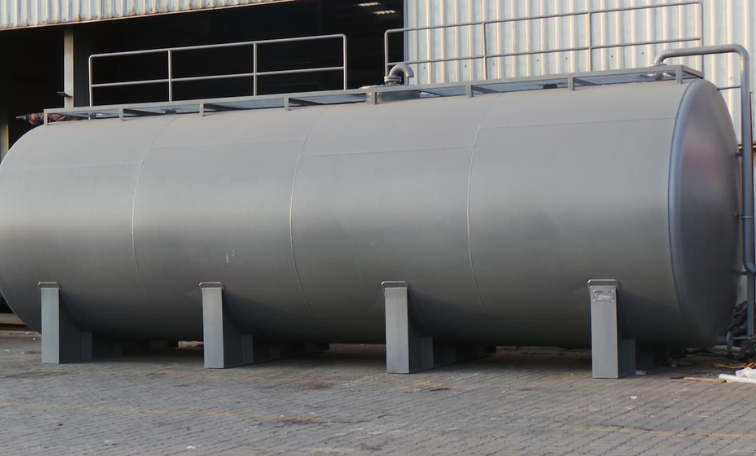
Large-scale facilities frequently require dedicated storage systems capable of handling various materials while protecting them from contamination and environmental exposure. Choosing a reliable Storage Tanks Manufacturer ensures businesses receive storage solutions designed for durability, capacity, and long-term operational efficiency.
Proper storage infrastructure offers several advantages:
Better inventory management
Reduced material loss
Improved workplace organization
Enhanced environmental protection
Simplified maintenance planning
Storage systems should be designed according to the specific characteristics of the materials being handled.
Safety Should Always Come First
Industrial operations involve heavy equipment, valuable materials, and complex workflows. Safety should never be treated as an optional consideration.
Organizations can improve workplace safety by:
Providing regular operator training
Following inspection schedules
Maintaining clear loading procedures
Using certified lifting equipment
Monitoring equipment condition
Encouraging proactive reporting of defects
Creating a strong safety culture protects both personnel and business operations.
Sustainability in Modern Industrial Equipment
Environmental responsibility has become an important consideration across industrial sectors. Equipment designed for efficiency helps reduce fuel consumption, lower emissions, and minimize waste.
Sustainable operational practices include:
Preventive maintenance programs
Efficient route planning
Responsible material handling
Equipment lifecycle management
Recycling worn components where possible
These practices not only support environmental goals but also improve overall operating costs.
Planning for Future Growth
Businesses should consider future expansion when investing in industrial equipment. Selecting scalable solutions reduces replacement costs as operations increase.
Planning ahead allows organizations to:
Handle larger workloads
Improve operational flexibility
Reduce future capital expenditure
Maintain consistent productivity
Adapt to changing project requirements
Strategic investments today often provide measurable financial benefits for many years.
Conclusion
Industrial success depends on dependable equipment, thoughtful planning, and consistent maintenance. Reliable transport systems and efficient storage infrastructure work together to improve productivity, support workplace safety, and reduce operational interruptions. Organizations that carefully evaluate quality, durability, and long-term performance are better positioned to meet growing industry demands. By investing in equipment built for challenging environments and future expansion, businesses create stronger operational foundations while ensuring sustainable performance for years to come.