Guest article
Understanding Pipeline Installation and Maintenance in Infrastructure Projects
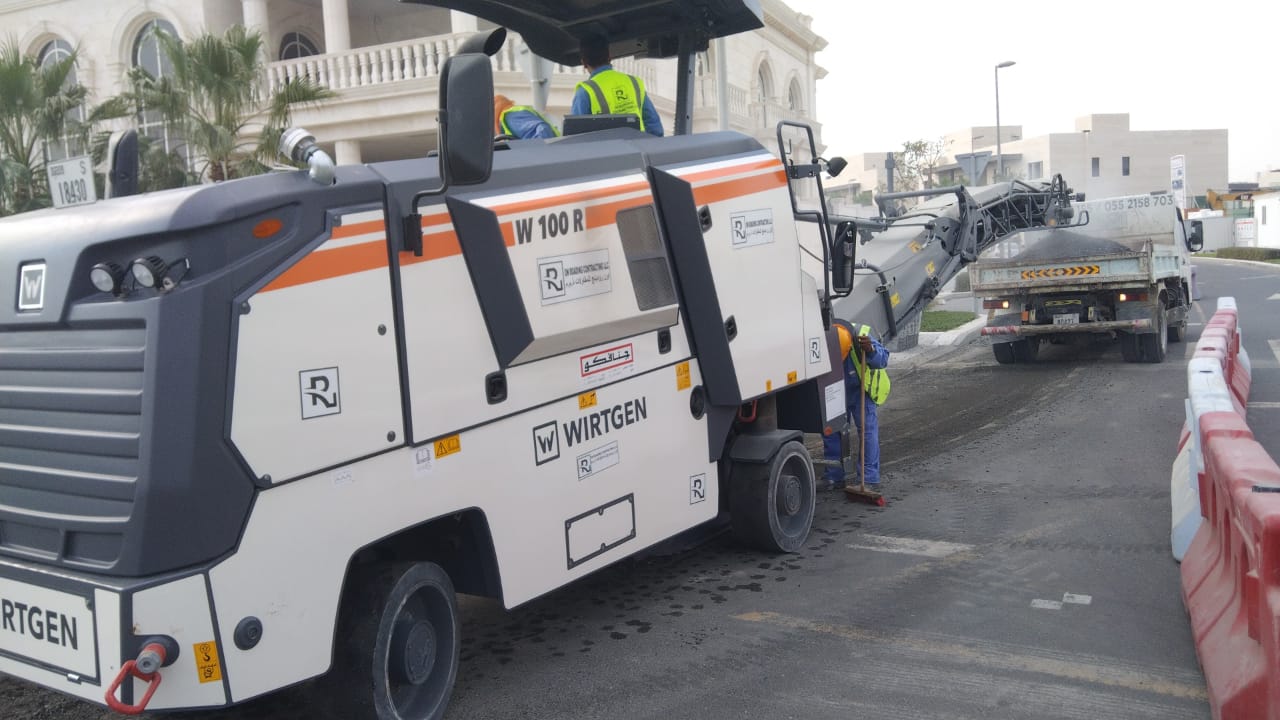
Much of the infrastructure supporting modern communities operates beneath the ground. Water distribution networks, drainage systems and other utility connections are essential for residential developments, commercial properties and industrial facilities.
Although these systems are rarely visible after installation, their condition directly influences the reliability of the surrounding environment. A damaged pipeline can interrupt essential services, affect nearby structures and require extensive excavation to complete repairs.
Pipeline installation and maintenance therefore demand careful engineering, accurate planning and coordination with other infrastructure activities. In developing urban environments across the UAE, these considerations are particularly important because underground services often share limited space beneath existing roads and developed areas. Asphalt Road Contractors In Dubai also play an important role in coordinating road construction and reinstatement activities around underground utility networks, helping ensure that surface infrastructure remains durable, safe and suitable for everyday transportation.
Understanding Different Pipeline Applications
Pipeline systems are designed according to the material being transported, operating conditions and intended application.
Water Supply Networks
Water distribution pipelines transport treated water to residential, commercial and industrial users.
Their design must account for pressure requirements, flow capacity, material compatibility and the expected operating environment.
Suitable connections, valves and supporting arrangements are necessary to maintain a reliable distribution network.
Drainage and Wastewater Systems
Drainage infrastructure collects and transports wastewater or surface runoff through designated networks.
Gravity-based systems depend on appropriate gradients, while other applications may require pumping arrangements.
The design should consider flow capacity, access for maintenance and protection against leakage.
Industrial Utility Networks
Industrial developments may require specialised pipeline arrangements for different operational requirements.
Material selection should reflect the characteristics of the transported substance, operating pressure and relevant technical standards.
Planning Before Excavation Begins
Pipeline installation starts with understanding the site and identifying existing underground infrastructure.
Site Surveys and Utility Detection
Underground services may include electrical cables, communication lines, water networks and drainage systems.
Accurate surveys help identify their locations before excavation begins.
Where information is incomplete, additional investigations may be necessary to reduce the risk of accidental damage.
Route Selection and Engineering Design
The pipeline route should be selected according to site conditions, required connections and maintenance access.
Engineers consider ground levels, soil characteristics, nearby structures and possible conflicts with existing services.
The design must also provide adequate support and protection for the installed system.
Choosing Appropriate Pipeline Materials
Different materials offer different characteristics, and the correct selection depends on the application.
Material Performance and Environmental Conditions
Pipeline materials should be assessed according to pressure capacity, chemical compatibility, temperature conditions and expected service requirements.
The surrounding soil and installation environment may also influence the selection.
A material suitable for one application may not be appropriate for another.
The Role of Reinforced Composite Systems
Glass-reinforced plastic systems are used in certain infrastructure applications because of their material characteristics, including corrosion resistance and relatively low weight.
Grp Pipeline Contractors In Dubai may be involved in projects requiring specialised handling and installation of these systems.
However, suitability must be established through engineering assessments and compliance with the relevant specifications.
The Main Stages of Pipeline Installation
The installation process involves several interconnected activities.
Excavation and Trench Preparation
Trenches should be excavated according to the approved dimensions, alignment and depth.
The trench foundation must provide suitable support for the pipeline.
Depending on ground conditions, bedding materials may be required to distribute loads and protect the pipe from uneven contact.
Pipe Placement and Jointing
Pipes must be handled and positioned according to the manufacturer's technical requirements.
Jointing methods vary depending on the material and system design.
Incorrect alignment, unsuitable connections or inadequate joint preparation can lead to leakage and future operational problems.
Backfilling and Compaction
Once installation and required inspections are completed, the trench can be backfilled.
Suitable material should be placed in controlled layers and compacted according to the project specification.
Care is necessary to prevent excessive pressure or movement that could damage the installed pipeline.
Coordinating Underground Utilities With Roadworks
Pipeline activities frequently take place within existing roads or planned transportation corridors.
This creates a need for coordination between utility installation, excavation and pavement restoration.
Avoiding Repeated Road Excavation
Poor coordination can result in newly completed surfaces being reopened for additional service connections.
This increases construction costs and creates unnecessary disruption.
Pipeline Construction In Dubai requires careful consideration of existing utility networks, approved alignments, excavation requirements and restoration arrangements.
Where multiple services are planned, coordinated installation schedules can reduce conflicts and improve project efficiency.
Restoring the Affected Surface
After underground activities are completed, the excavated area must be restored appropriately.
The pavement structure, supporting layers and surface finish should be reconstructed according to the applicable requirements.
The completed section should connect properly with the surrounding road and provide suitable support for traffic.
Why Pipeline Testing Is Important
Installation should not be considered complete simply because the pipe has been placed underground.
Appropriate inspections and tests are required to assess system performance.
Depending on the application, these may include pressure testing, leakage checks, joint inspections and other specified procedures.
The testing method must follow the approved design and relevant technical standards.
Documentation of test results also helps establish a record for future maintenance.
Maintaining Pipeline Systems After Installation
Underground infrastructure requires ongoing attention even when it is not directly visible.
Routine inspections, operational monitoring and timely repairs help identify potential problems.
Identifying Early Warning Signs
Changes in water pressure, unusual moisture, unexplained ground settlement and recurring drainage problems may indicate an issue with an underground system.
These signs should be investigated rather than ignored.
Early identification may prevent a relatively small defect from developing into a major infrastructure failure.
Planning Maintenance Access
Inspection chambers, valves and other access points should remain accessible after construction.
Their locations should be documented clearly so that maintenance teams can identify relevant sections without unnecessary excavation.
The Importance of Coordinated Infrastructure Management
Modern developments depend on several interconnected systems.
Roads, drainage, water distribution and communication networks should be considered together during planning.
A coordinated approach helps reduce construction conflicts, protects existing services and improves the efficiency of future maintenance.
Conclusion
Pipeline installation is an essential part of infrastructure development, supporting the reliable delivery of services across residential, commercial and industrial environments.
Successful projects depend on suitable materials, accurate route planning, controlled excavation, proper jointing and thorough testing. Long-term performance also requires accessible inspection points and a structured maintenance programme.
When underground utility systems are coordinated carefully with surrounding construction activities, they can support dependable infrastructure while reducing unnecessary disruption to developed areas.